Hospitality: restaurant dining room

The brief
[Placeholder] This opening section of the case study “Hospitality: restaurant dining room” states what the client asked for in one or two sentences, who the specifier was by role rather than by name, and the constraint that shaped the job: run length, ceiling detail, wet location, dimming system, or lead time. The final copy stays within the 8H honesty rules — no supplier facility names, no borrowed photography, no claims the shipped product cannot back — and ends on the measurable target the installation had to hit.
What we supplied
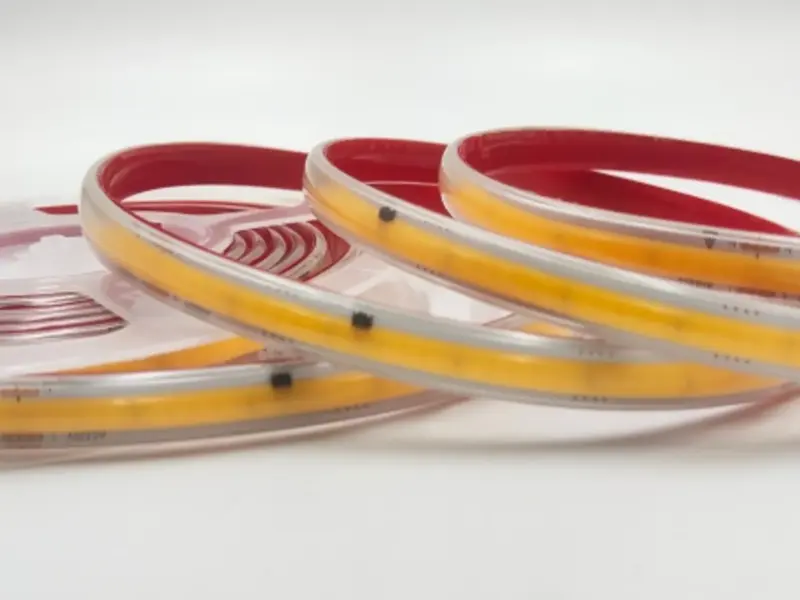
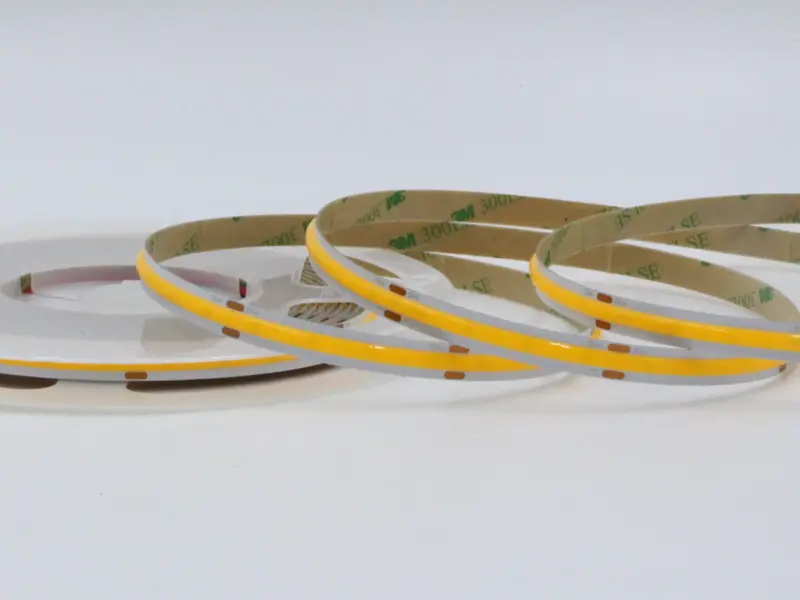
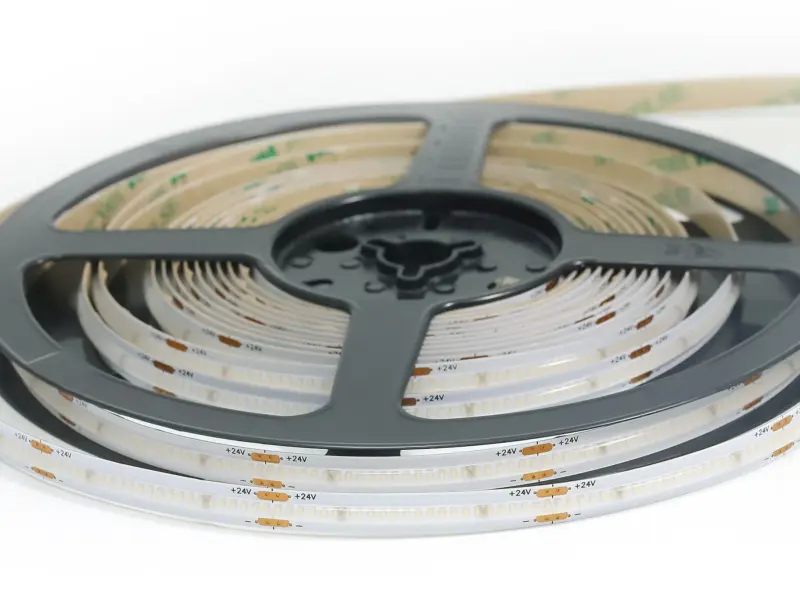
[Placeholder] This section lists the product families that went into the job and why each was chosen over the alternative: the strip architecture and density for the visible effect, the channel and diffuser for the mounting detail, the driver class and dimming protocol for the control system, and the connectors and accessories that made the runs continuous. Each item links, through the topic mechanism rather than a hardcoded URL, to its category page so the reader can move straight to the specification.
[Placeholder] A second paragraph covers the engineering support around the order: the voltage-drop check on the longest feed, the binning tolerance held across reels, the submittal documentation sent with the quote, and how the shipment was consolidated. The replacement copy should quote actual quantities and run lengths from the order file and nothing that is not on record.
The result
[Placeholder] The closing section describes the finished installation as the specifier would judge it: uniformity along the run, color consistency between fixtures, the absence of visible diodes or hotspots at the intended viewing distance, and whether the dimming behaved as drawn. It names the outcome metric from the brief and states plainly whether it was met, then closes with a sentence on what the same package would look like on a similar project and an invitation to request a quote.
[Placeholder] One to three sentences from a Electrical contractor in their own words about the dim-to-warm behaviour on site matching the sample and the driver pairing working first time. Keep the client's wording; trim for length only, and confirm the attribution tier before publishing.