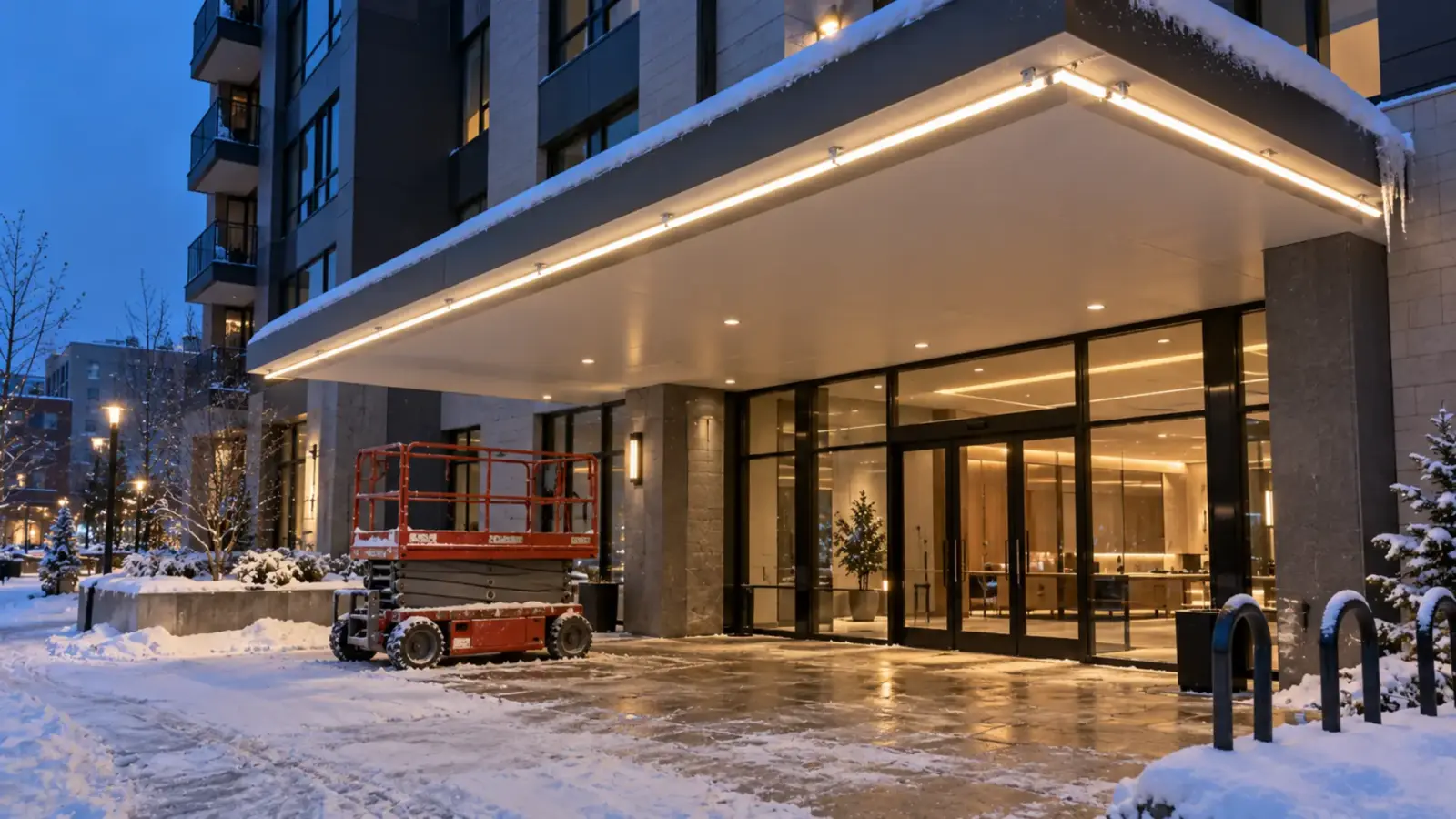
Seven Things That Change When You Install Outdoor LED Strip Below Freezing
Install LED strip in cold weather without callbacks: tape needs 50°F, sealant cures slowly, jackets stiffen, drivers have limits, and meltwater finds the seams.
Technical guides, installation videos, and spec downloads for your projects.
Eight reference guides that follow a job from the spec sheet to sign-off and the invoice. Start with these, then browse the latest articles below.
Calculators built on the same formulas and spec tables as the guides above. Each one says what it counts and what it leaves out.
Volts lost between the driver and the strip for any load, wire gauge and home-run length, with the smallest gauge that passes your limit.
Connected load and driver rating for any strip model, run length and loading rule, with the Class 2 outputs the job needs and the drivers from our table that fit.
Each run rounded to the model's cut point, the reels to order, feed points, connectors, channel sticks and end caps as one list to paste into a quote request.
Pixels, channels, SPI frame rate per chain or DMX universes, controller outputs, feed points and data jump checks for any addressable model.
130 spec-sheet, submittal and inspection terms in one or two sentences each, with the guide that goes deeper, plus a unit converter for metric datasheets.
Install LED strip in cold weather without callbacks: tape needs 50°F, sealant cures slowly, jackets stiffen, drivers have limits, and meltwater finds the seams.
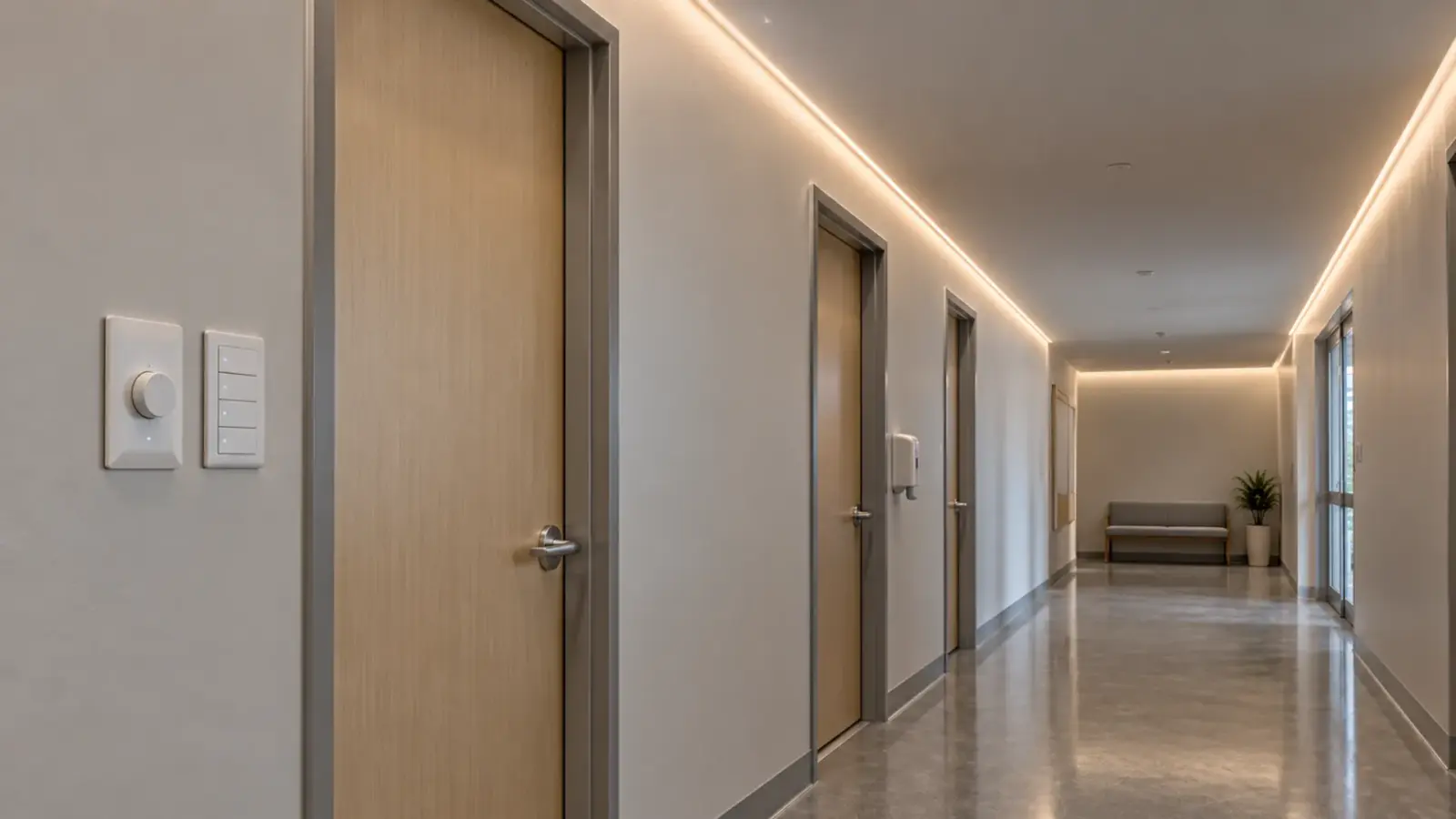
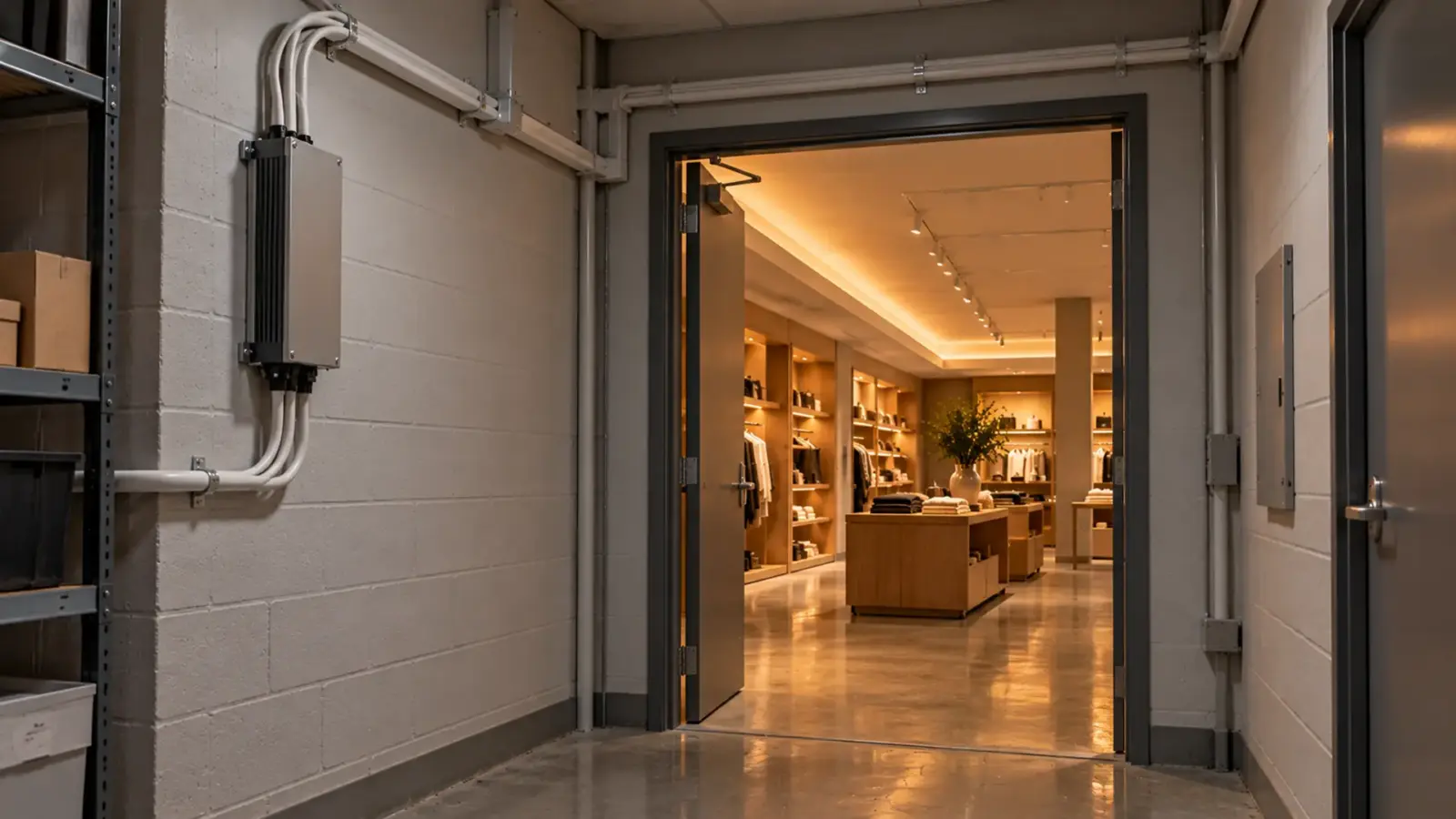
Four ways to control LED strip from a wall: a line switch, a phase-cut dimmer, 0-10V or an RF wall panel, with our drivers, the 60 W split and fault checks.
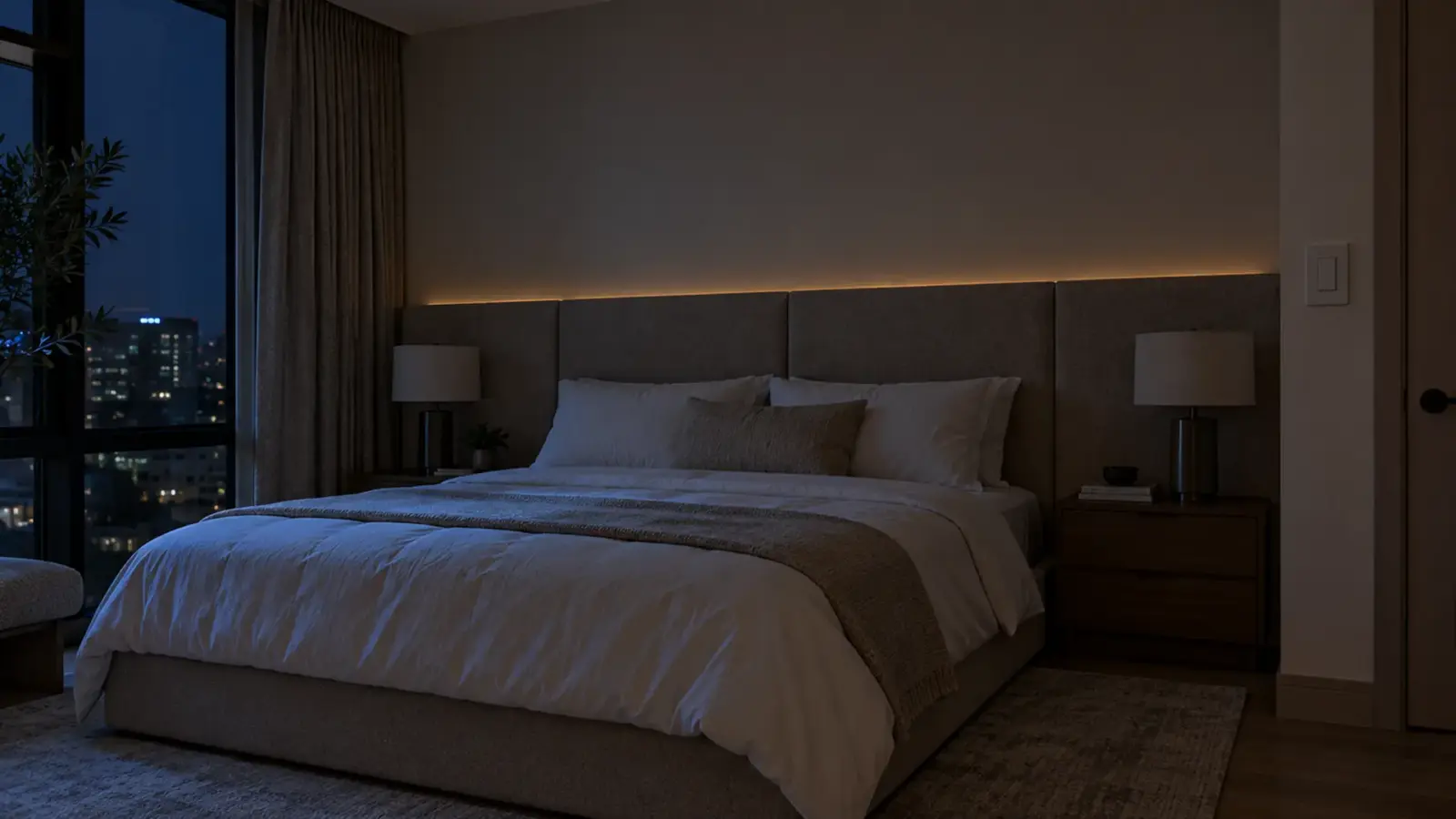
LED tape that glows when off has a leak path: a dimmer, a lit switch or a coupled cable. Low-end flicker is a different fault. A test sequence to separate them.
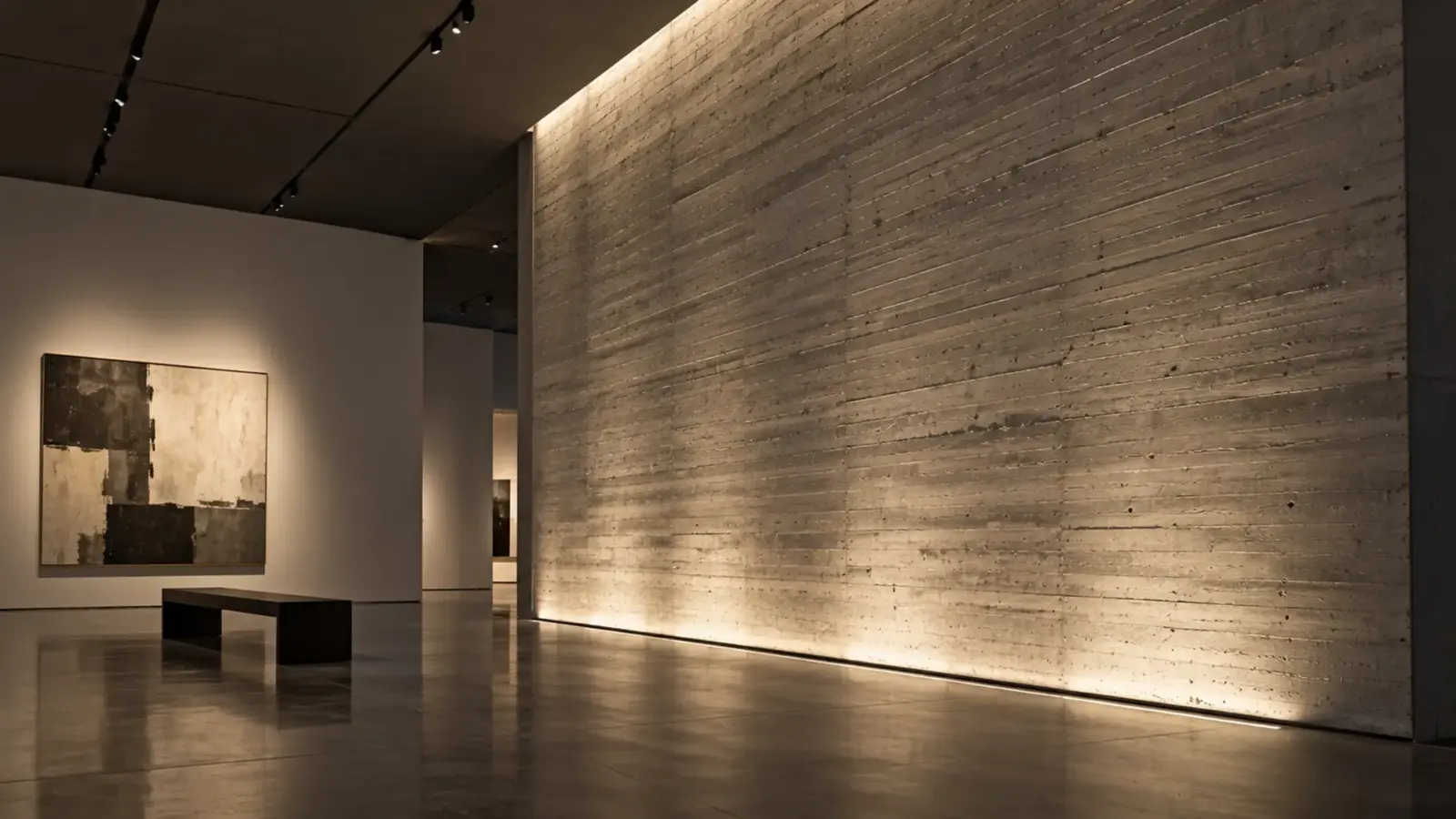
Bare LED strip measures 140–170°, fine for a cove but not for a tall wall. How lensed 30–45° strip and 10° × 60° wall washer optics change where light lands.

A profile light is LED strip in an aluminum channel behind a cover: what the cover costs in output, how deep it must be, the parts list, when bare strip works.
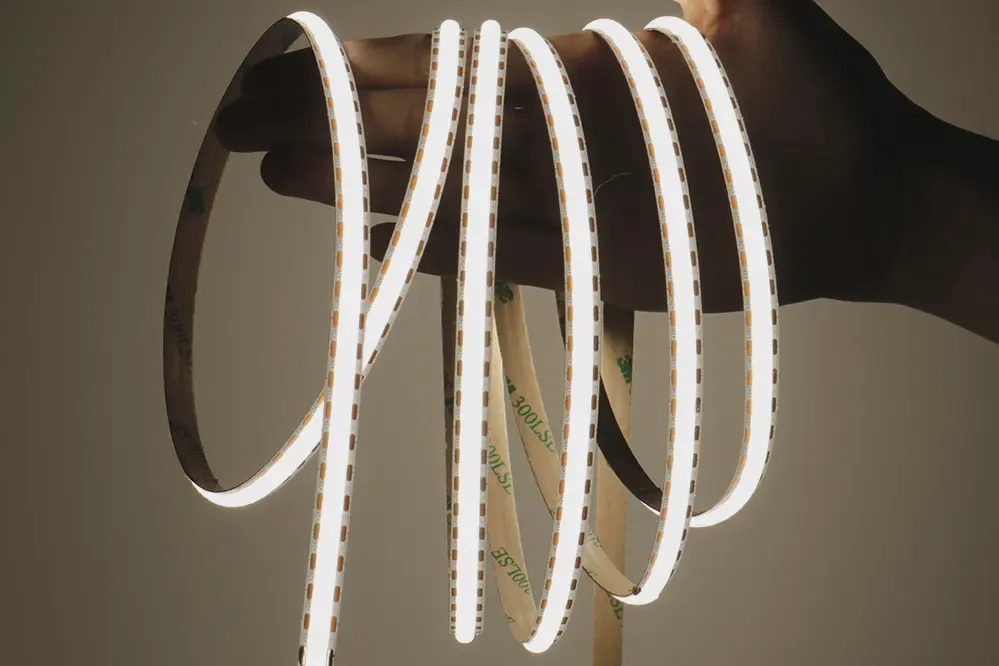
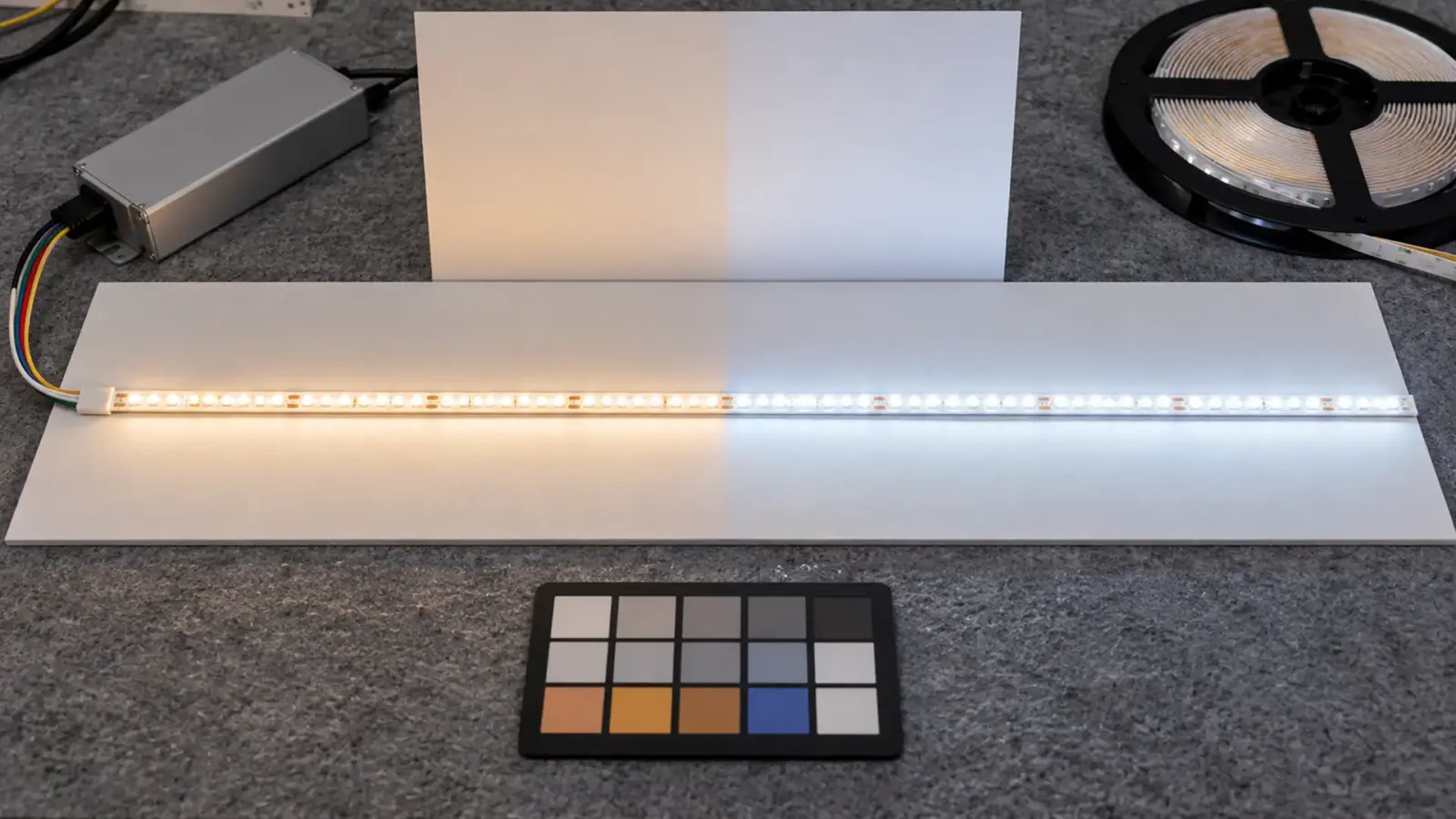
SCOB vs COB LED strip compared on our spec tables: 130–140 lm/W vs ~90, driver count per run, unlit and lit looks, bending, color bins and channel fit.
Short, field-shot walkthroughs of the steps that decide how a run looks and lasts.
Send your project details — an engineer replies with product options, documentation, and a real lead time, with clear pricing.