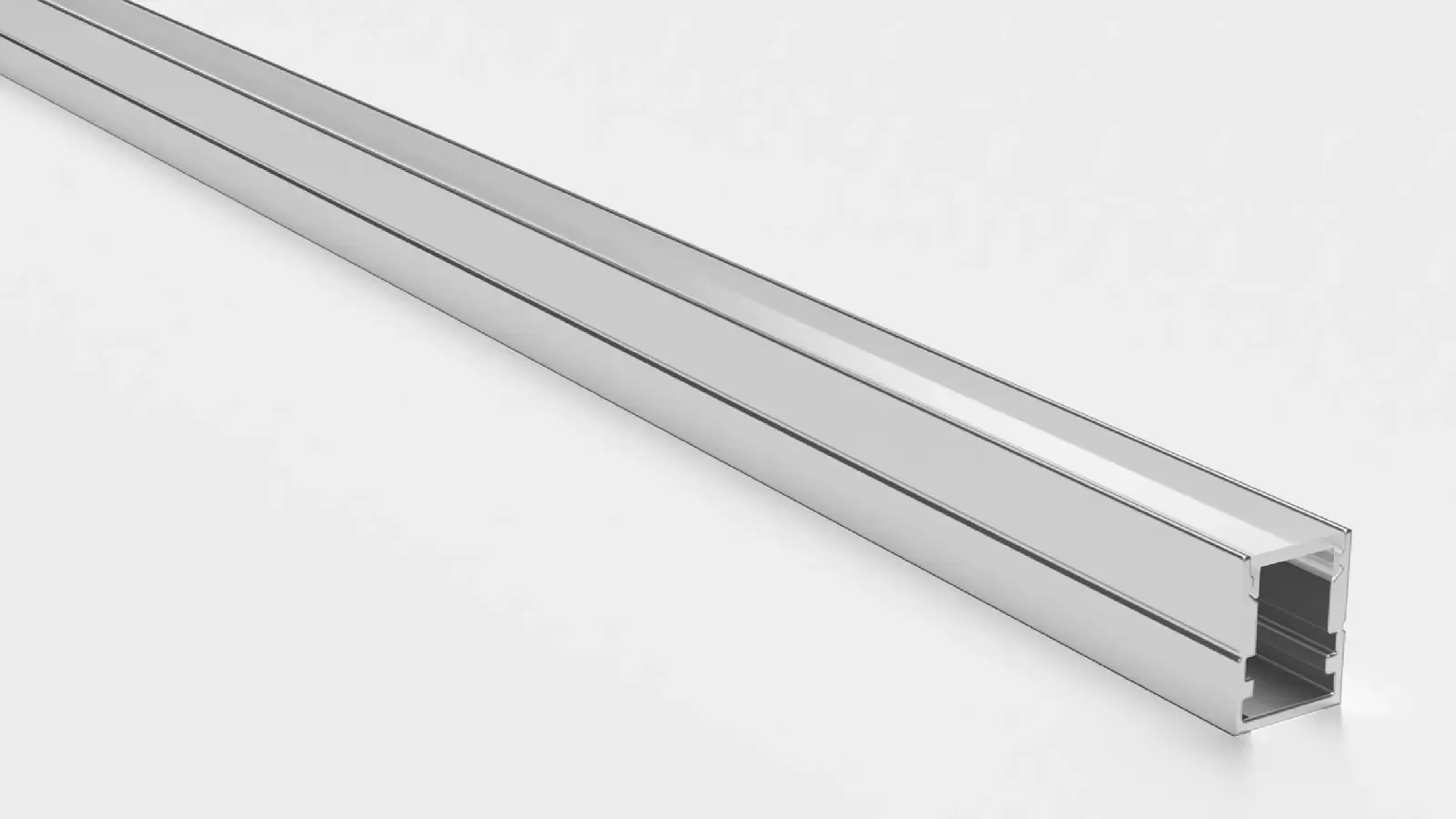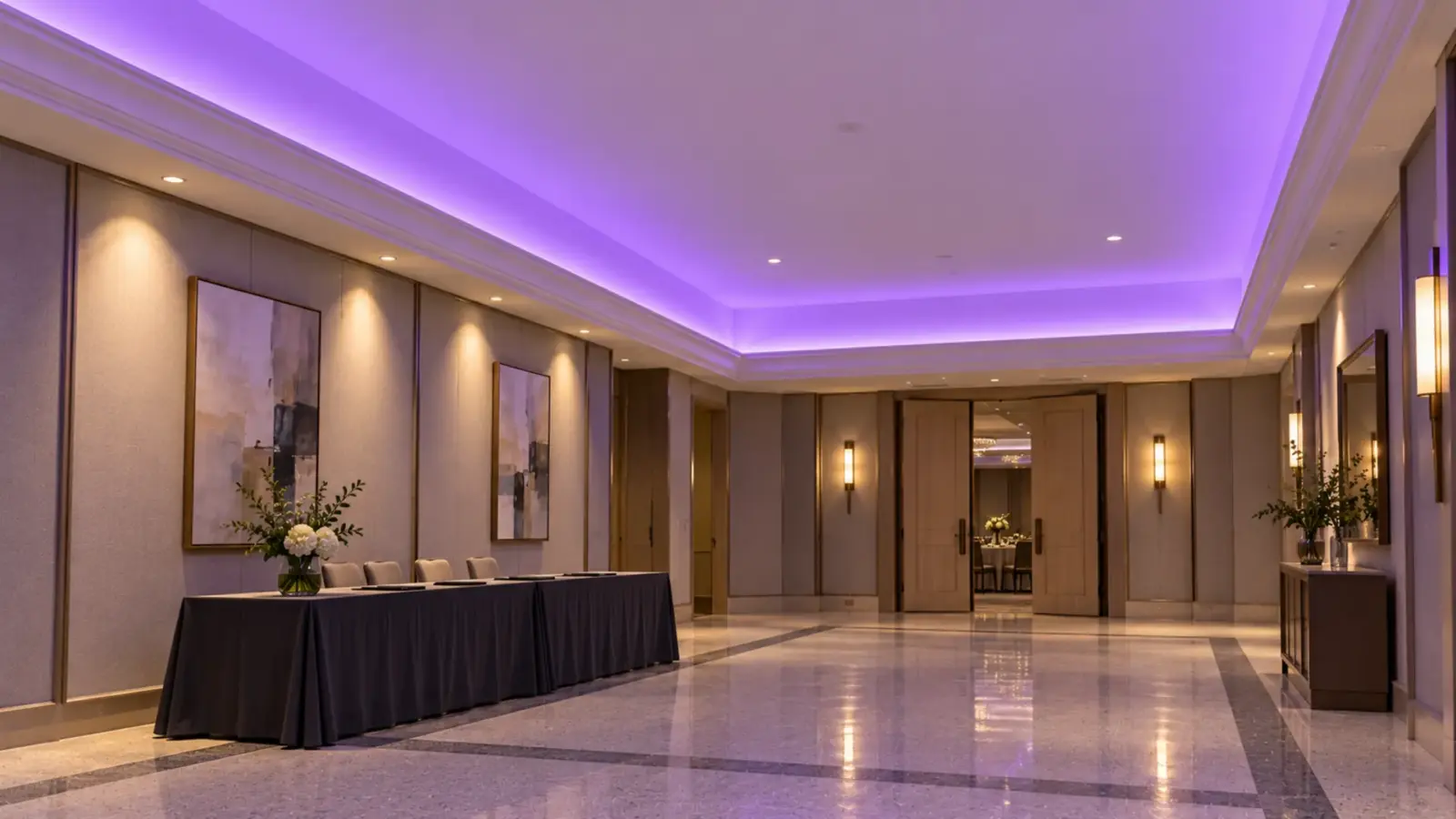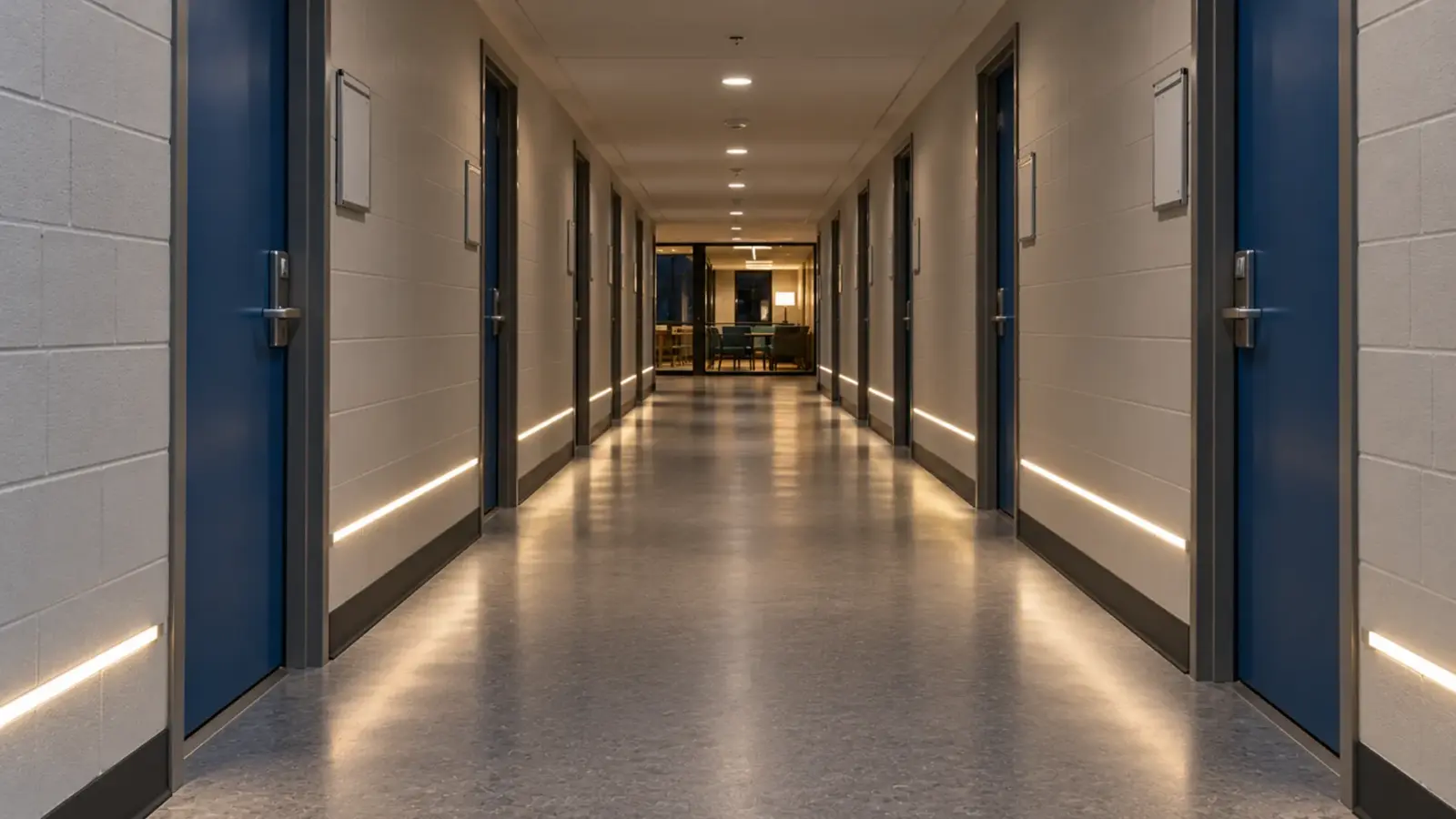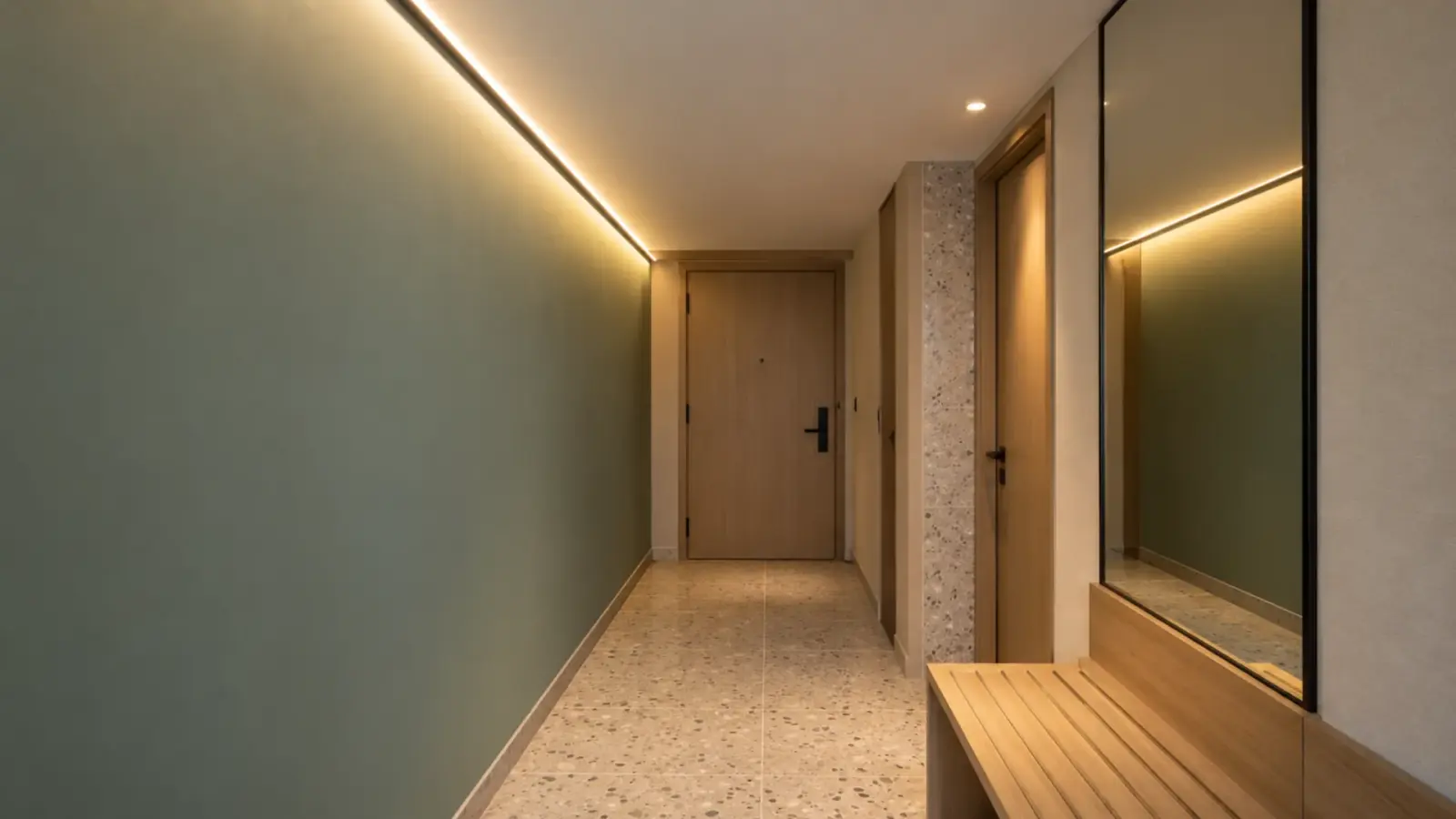
Yes, in an LED strip catalog the words channel, track, extrusion, profile, housing and mounting channel all name the same part: an aluminum profile that holds the strip, with a cover that clips on. Two words cause trouble. “Track” on an electrical plan can mean track lighting, and “enclosure” or “housing” often gets read as a wet-location rating.
The questions below go in the order a buyer usually asks them.
Which Word Means What
Suppliers name the part by what it does (channel, track, mounting channel), how it is made (extrusion), its shape (profile) or what it surrounds (housing, enclosure). The aluminum is the same. What changes is what arrives in the box, and what a reader on the job assumes.
| Word on the listing or drawing | Usually means | What often arrives | Where it misleads |
|---|---|---|---|
| LED channel, mounting channel | Aluminum profile for strip | Profile with a cover; caps and clips vary by seller | Rarely; the safest word |
| LED track, strip light track | Same profile | Same as channel | On an electrical plan, “track” can mean track lighting |
| Extrusion, aluminum extrusion | Same profile, named for how it is made | Sometimes the bare profile, no cover | Covers, caps and clips missing from the order |
| Profile, LED profile | Same profile, named for its shape | Same as channel | In millwork drawings “profile” can mean the trim shape |
| Housing | Same profile | Same as channel | On a fixture schedule it reads as a finished, listed luminaire |
| Enclosure, waterproof housing | Same profile, sometimes with sealed caps | Same as channel | Read as wet-rated when the channel carries no rating |
In our LED channel range every channel ships with two end caps and mounting clips at 19.69 in (500 mm) spacing, in 6.6 ft (2 m) or 9.8 ft (3 m) lengths. The AL6063 anodized profile takes a PC clear or a PC opal click-in cover, and the cover is ordered with it: name clear or opal on the order. The cover has its own set of names (diffuser, lens, PC cover), and all of them mean the clip-in polycarbonate strip on the face. Leave the cover off the order and the job ends up with channel on site and nothing to close it.
“Profile light” is the name most often used for a finished product as well. Our guide to whether a profile light is just strip in a channel covers that case and the parts list for a site-built one.
When “Track” Means Something Else
Three different things get called track on a commercial job:
- Strip channel. An aluminum profile with the strip inside. Supplier listings call it “aluminum track for LED strip” or “channel track”. It carries a strip and nothing else.
- Track lighting. An electrified rail that carries movable heads, common over retail displays, art walls and lobbies. It is its own product category with its own standard, UL 1574. According to LightNOW’s post on the 2025 revision, which reprints the standard’s scope, UL 1574 track systems are not intended for wet or damp locations, for concealed installations, or for track that passes through walls.
- Mud-in “track”. A plaster-in channel set into drywall so only the lit line shows. Installers and video titles often call it a mounting track for drywall. In our range that is the UT-CH2020 trimless plaster-in channel; our trimless drywall details guide covers the taping.
The second and third cannot be swapped. The standard’s scope rules out concealed track and track run through walls, and a plaster-in strip channel does not take track heads.
When a reflected ceiling plan or an RFI says “track”, ask which of the three it means before anything is priced. A corridor “LED track” on the lighting plan is usually strip channel; “track” over a display wall with a head count in the fixture schedule is track lighting.
“Enclosure” Is Not a Wet Rating
An “enclosure” or “waterproof housing” in a listing describes a shape, not a rating. Our own LED channels and diffusers carry no IP rating at all: they are aluminum profiles with click-in covers that lift out for service. The rating belongs to the strip inside.
Outdoors or in a wet area, specify the strip for the exposure first (IP65, IP67 or IP68, plus the wet-location marking the inspector looks for), then the channel to hold it. Our wet location guide explains the ratings, and our waterproof channel guide shows why sealing every joint of the channel traps water instead of keeping it out.
“Housing” has the opposite problem. On a fixture schedule, a “linear LED housing” sounds like a finished luminaire with its own listing and photometric file. A strip channel is a part, and the listing question moves to the strip and driver. If the schedule needs a listed fixture, say so on the order.
The Order Line, Whatever It Is Called
Call the part what you like on the phone. On the order, write the fields, because each one decides what arrives:
- Model and size: our model codes give width and height in millimeters (UT-CH2020 is 20.2×19.5 mm).
- Maximum strip width: match it to the strip’s PCB width by number, with about 1 mm of clearance.
- Mounting: recessed, surface, corner or plaster-in.
- Cover: clear or opal. Name it on the order; with us the cover is ordered with the channel, not assumed.
- End caps and clips: included, or listed separately with some sellers.
- Length: 6.6 ft or 9.8 ft sticks, or cut to the run schedule.
- Finish: anodized silver or black, where offered.
- The strip it carries: model, so fit and heat are checked against it.
A filled line for a trimless corridor ceiling reads like this:
> UT-CH2020 plaster-in trimless LED channel, 20.2×19.5 mm, max strip 12 mm, PC opal cover, The closure at the end of a channel or neon section. On IP-rated product it is part of the seal; on channels it finishes the extrusion. and clips, anodized silver, cut to run schedule R1–R6, for UT-C480-8 24V COB.
Two counts belong under that line. Joints: a 30 ft (9.1 m) run built from 9.8 ft sticks is four pieces and three joints, and each joint goes on the run schedule. Clips: with one near each end and one every 19.69 in (500 mm) between, a 9.8 ft (3 m) stick takes seven, so a seller who lists clips separately needs a number per stick, not “clips as required”.
That line orders the same thing from any supplier, whichever name they use. Choosing the profile itself is covered in our channel selection guide, and whether the job needs a channel at all in our guide to whether LED tape needs a channel.