

LED strip electricity cost calculator
Commercial runs burn longer, pay a different rate and lose part of every watt in the driver. Enter the strip, the feet, the schedule and the rate, and the yearly kWh and dollars come back with those three counted.

Watts to dollars per year
Rated watts at full brightness. Dimmed runs cost less in proportion; set the average level if the schedule dims.
Four lines of arithmetic
-
01
Strip load
Rated watts per foot times the feet installed, times the average dimming level. Rated values are at full brightness and 77°F.
-
02
Driver loss
The panel supplies more than the strip uses: strip watts divided by driver efficiency. Our spec table lists 82 to 88 percent by model, so a 12 to 18 percent uplift.
-
03
Hours
A corridor or a sign runs 8,760 hours; a store about 4,380; an office on weekdays about 3,120. The presets match our electricity cost guide.
-
04
Rate
Dollars per kWh from your tariff, or the EIA commercial averages by state as a stand-in. Averages include all charges and taxes but are not a tariff; demand charges are separate.
The guides behind the numbers
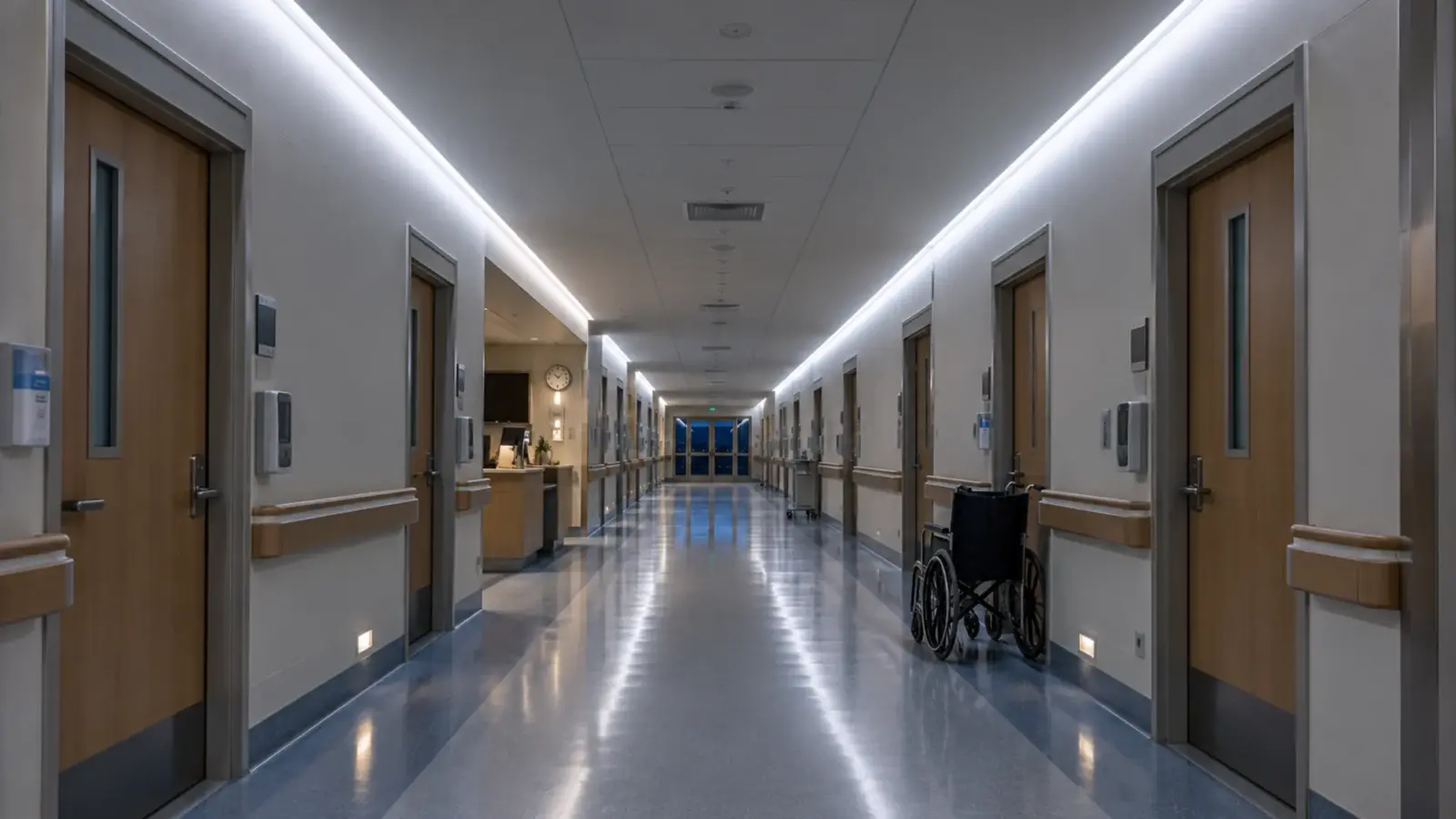
How Much Does LED Strip Cost to Run? Watts per Foot to Dollars per Year

Rated or Delivered? How to Compare LED Strip Lumens per Watt

Does LED Strip Count Toward Lighting Power Density?

Do LED Strips Qualify for DLC Listing or Utility Rebates?

Where the Money Goes on a Commercial LED Strip Lighting Job
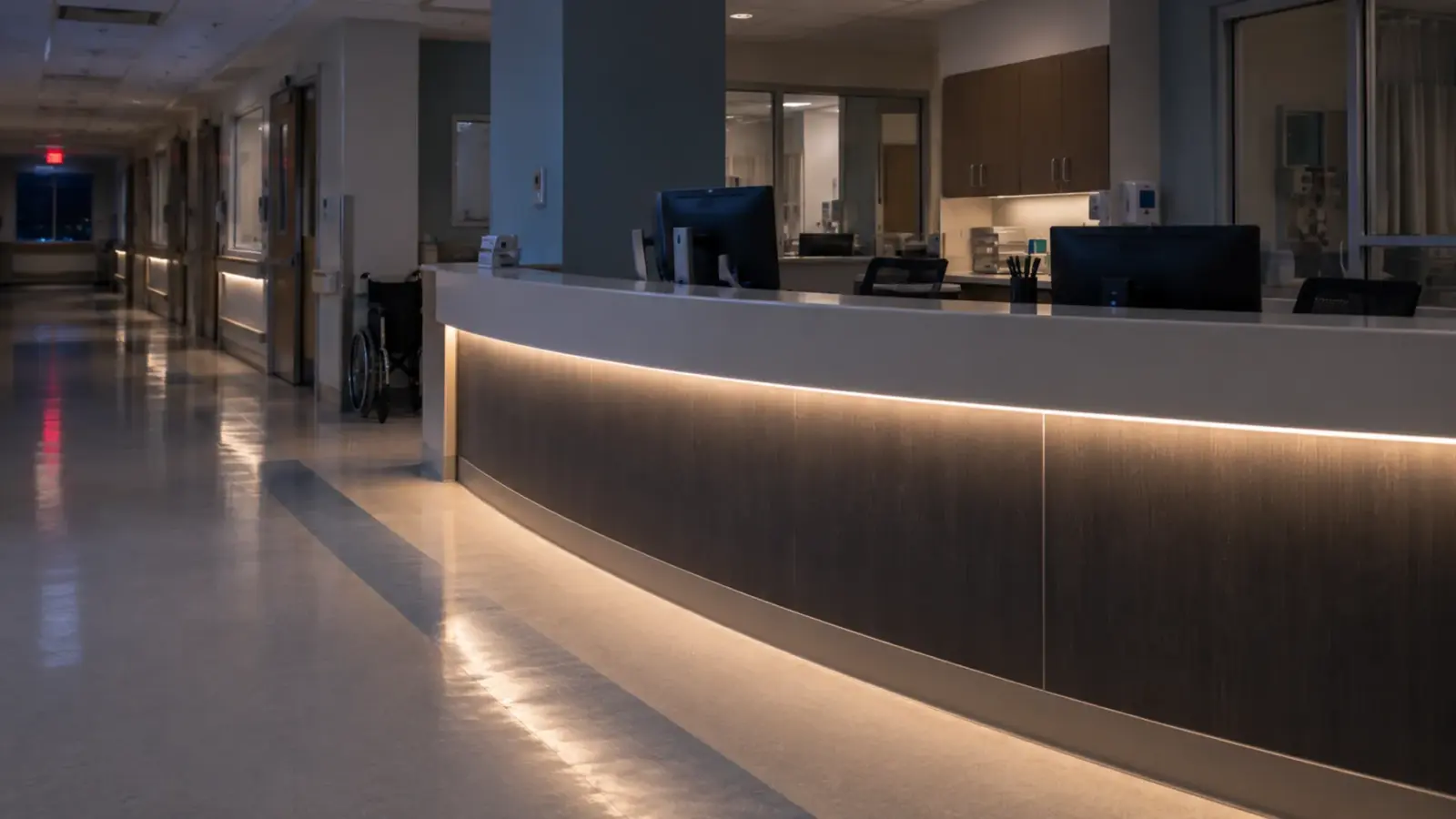
Can LED Strip Run 24/7? What Continuous Duty Does to Heat, Drivers and Warranty
Reading the cost
Why is my number higher than consumer calculators give?
Three reasons: commercial hours run several times longer, the driver loss is counted, and the rate is the commercial average for your state rather than a national residential figure. Each one is a line you can change above.
Should I use the rated watts or measured?
Rated for budgeting, measured for an energy audit. Strip at 77°F draws close to rating; in a hot cove it draws a little less as the LEDs warm, and a dimmed run draws in proportion to the level.
Does this give the payback of switching to LED strip?
No. Decorative and architectural strip is usually new light, not a replacement, so payback is rarely the decision. The installed cost guide covers where the money goes.
Where do the state rates come from?
The U.S. Energy Information Administration's average price to commercial customers, year to date through July 2026 and still preliminary. Replace it with the rate on your bill when you have one.
Send the schedule and we fill the compliance lines
Fixture schedule and space types are enough. An engineer replies with watts per foot by model, LPD by space and which rows carry DLC or Title 24 listings, in writing.
- Trade & project orders
- Drawings welcome
- US-based support