

LED strip lumens calculator
Strip is rated in lumens per foot, and a job is specified in lumens per run. Pick the model or type the datasheet figure, add the length, and see the total output, the watts behind it and which lighting task the brightness fits.
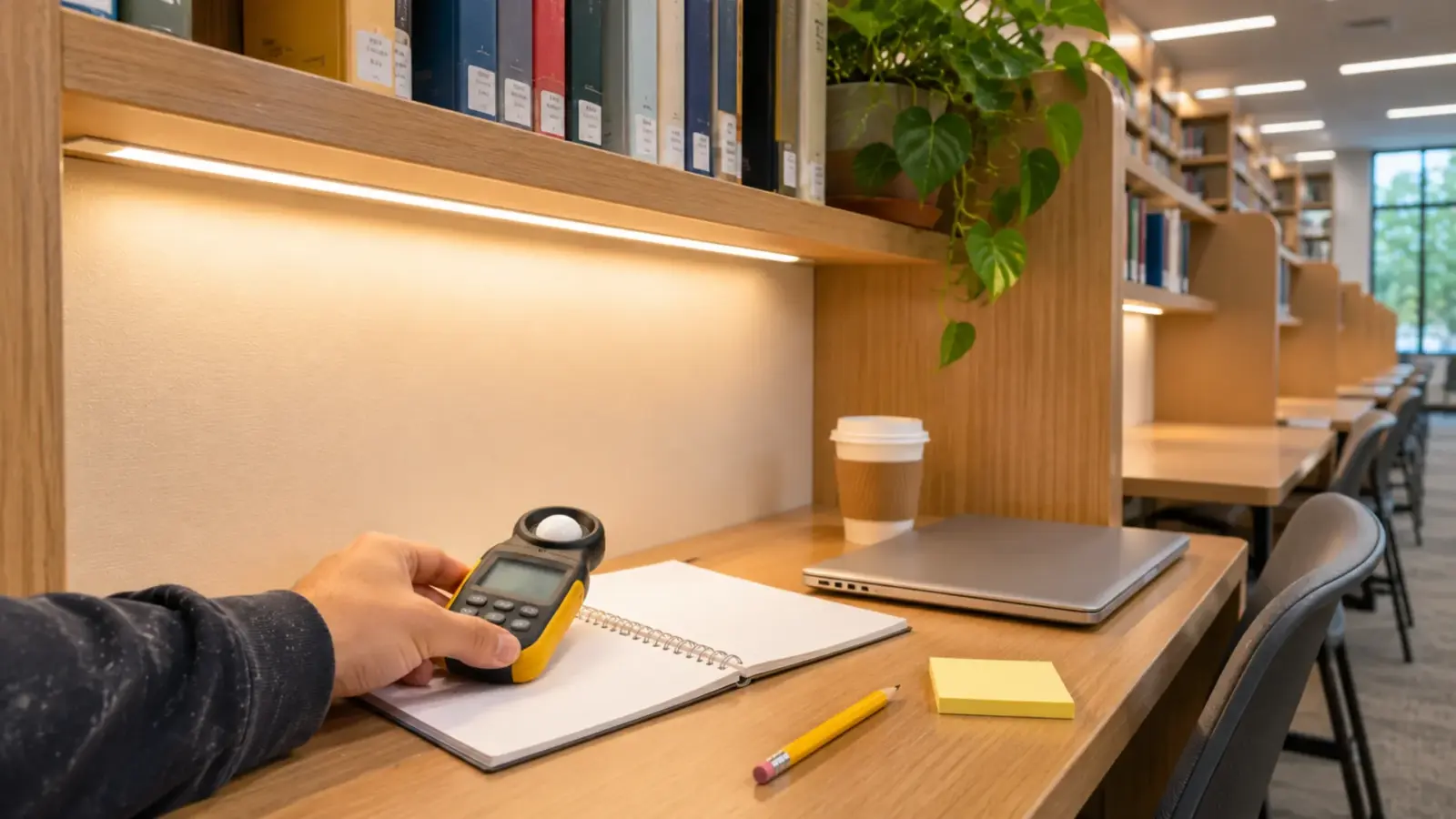
From lumens per foot to lumens per run
Rated output at full brightness and 77°F (25°C), before any channel cover. A diffuser takes 10 to 30 percent; the lumens on a surface depend on distance and beam, which is a photometric question.
What the number counts, and what it leaves out
-
01
Where the lumens come from
Rows with an output column use it directly; rows that state efficacy use efficacy times watts per foot. Rows with neither are not offered, because we do not invent a lumen rating. The manual mode takes the figure from any datasheet.
-
02
Dimming
Output scales with the dimming level on PWM and constant-voltage drivers; the watts scale with it too. The calculator applies the level to both.
-
03
What it leaves out
Diffuser loss, lens efficiency, depreciation over life (L70) and heat derating. Light on a surface needs the beam, the distance and the room, which is what an IES file and a photometric run give.
Lumens per foot by use
Ranges from our lumens-per-foot guide, before the diffuser. Where the strip sits far from the surface, go to the top of the band.
| Use | lm/ft |
|---|---|
| Accent and mood | 100–350 |
| Under-cabinet | 175–525 |
| Task, close to the surface | 280–437 |
| Indirect: coves, lobbies | 375–562 |
| Task, farther from the surface | 500–1,000 |
| Industrial and tube replacement | 500–950 |
The guides behind the numbers
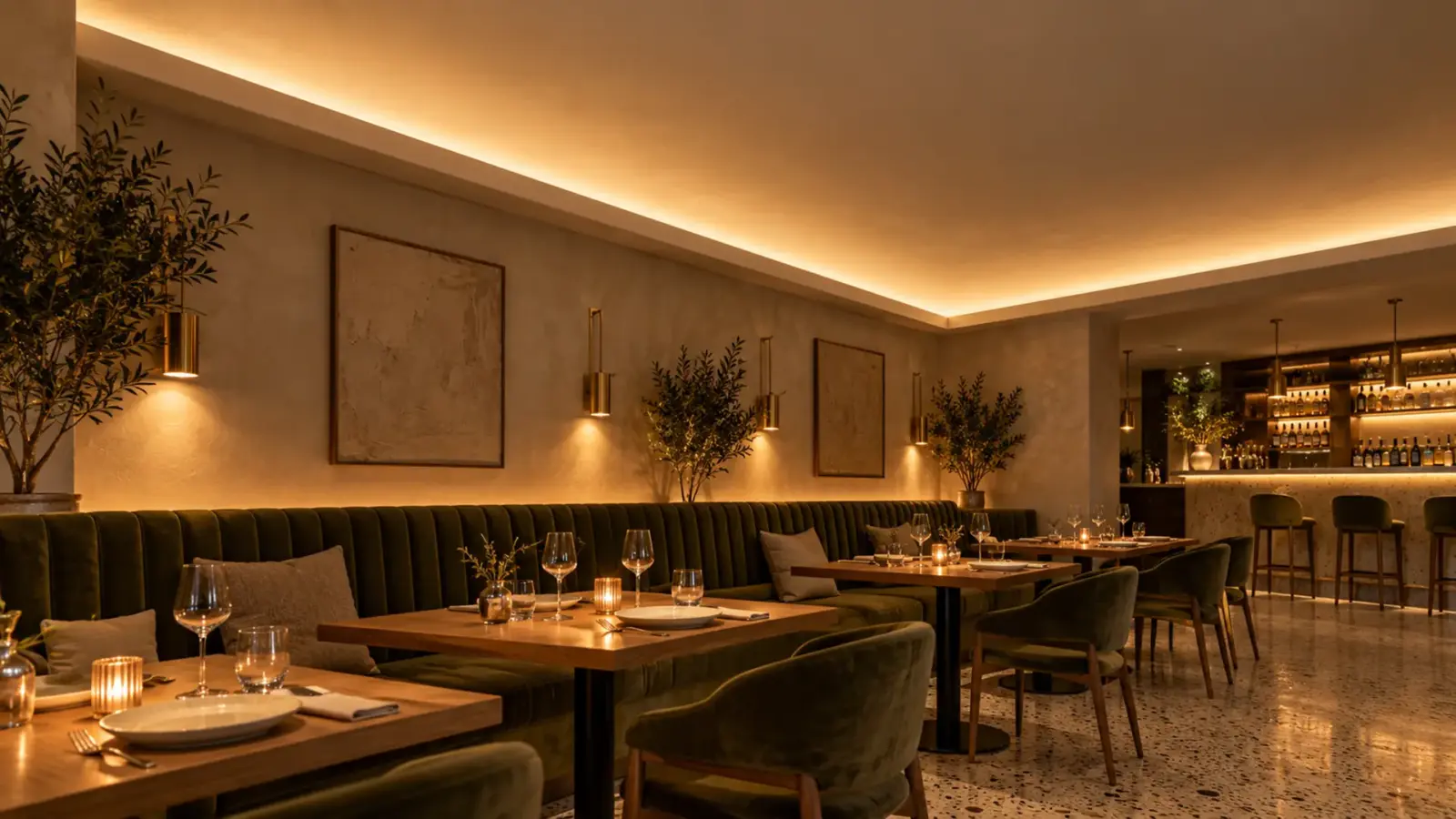
How Many Lumens per Foot Does a Cove Actually Need?
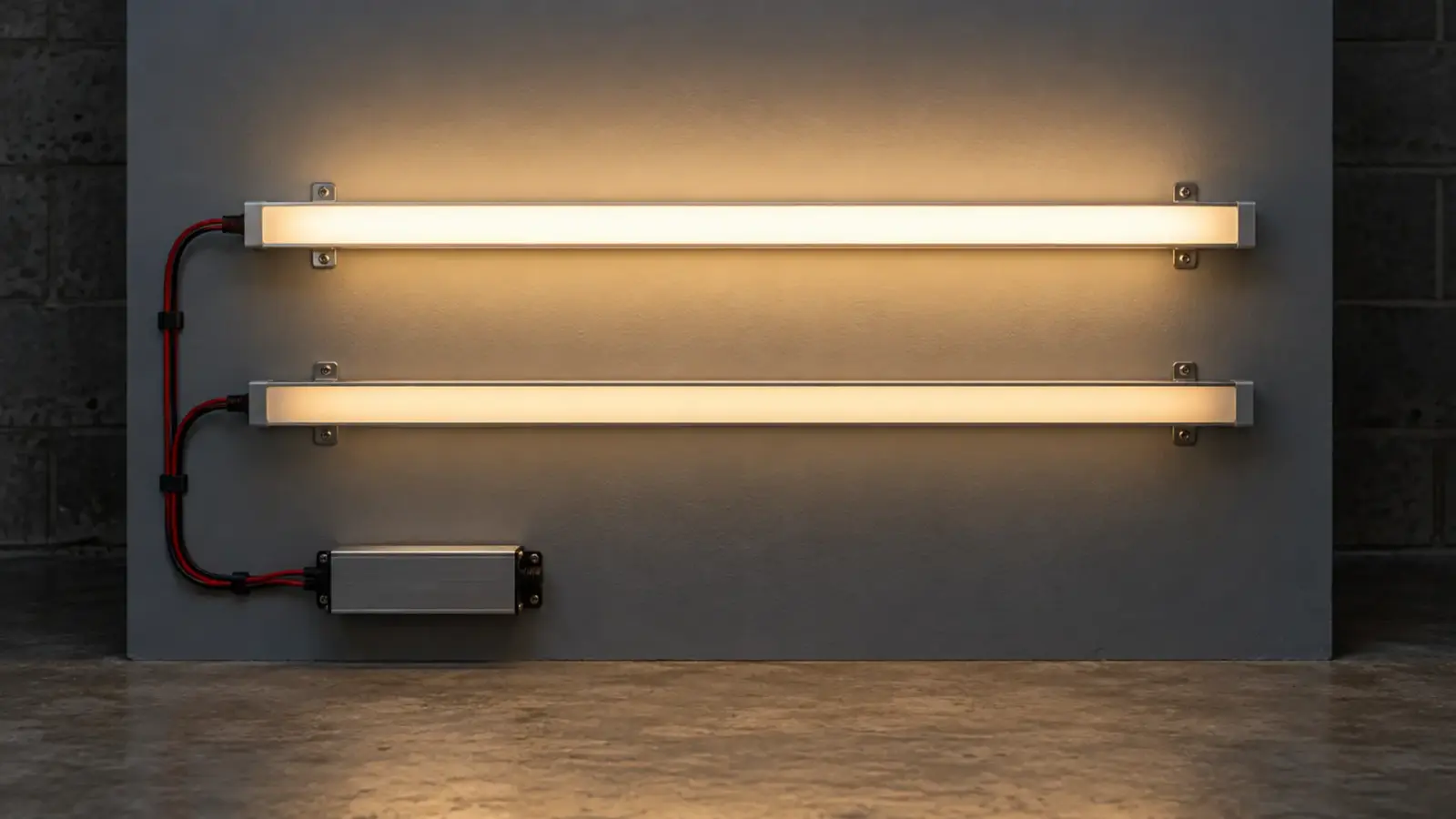
Rated or Delivered? How to Compare LED Strip Lumens per Watt
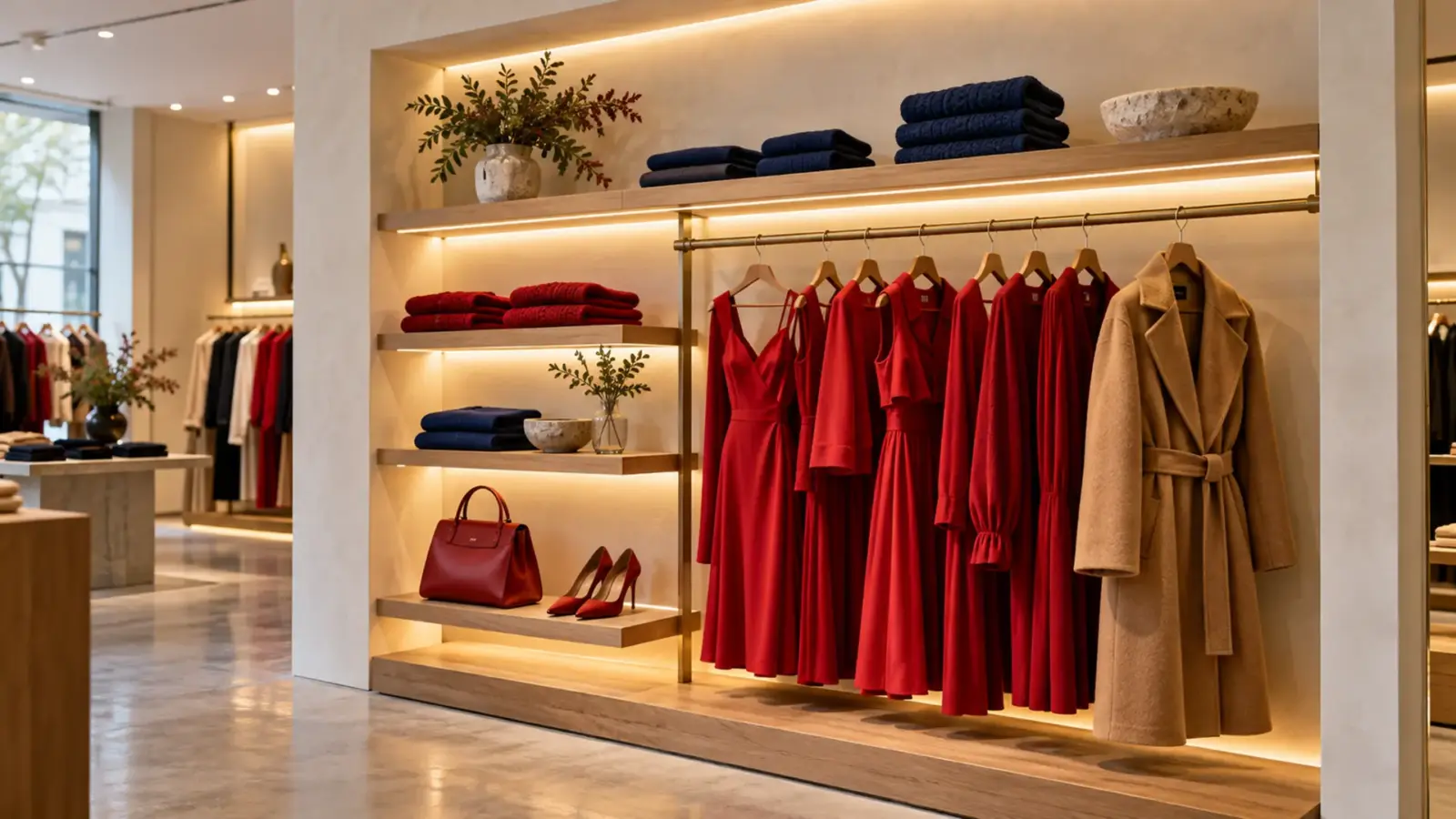
CRI 90, 95 or 98? Pick High-CRI LED Strip by What It Lights
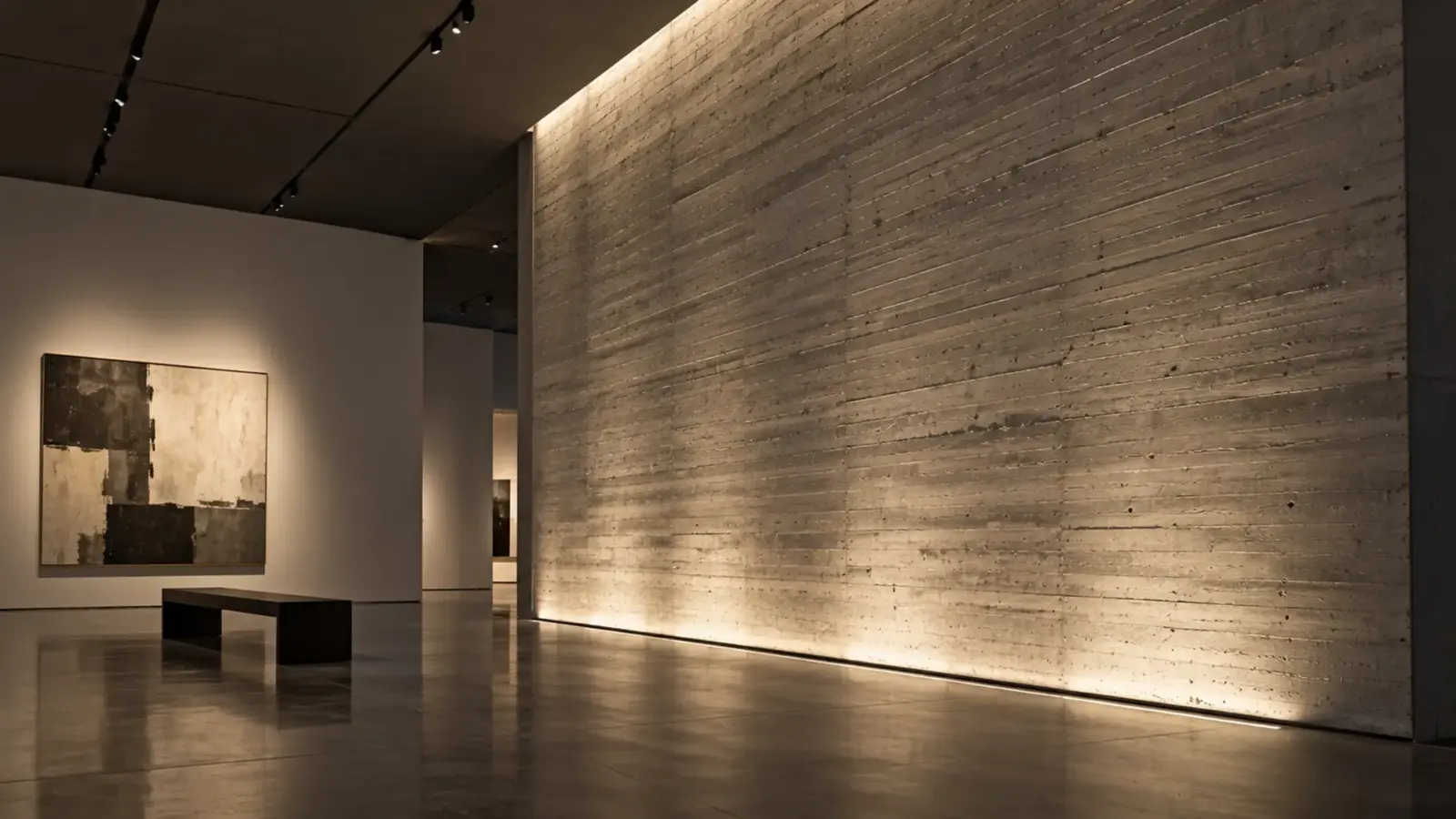
A 120° LED Strip Cannot Wash a Wall
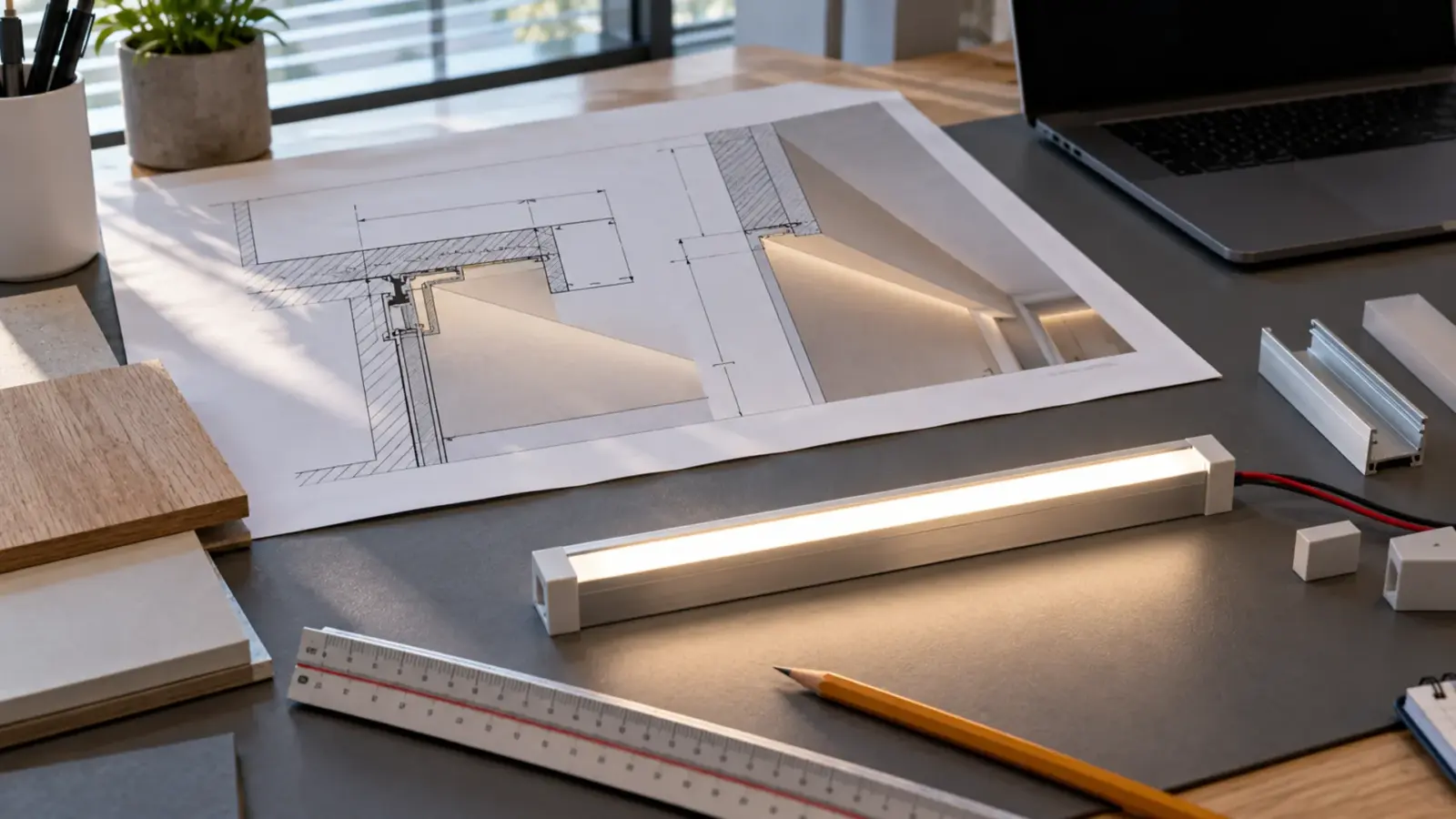
Which IES File Do You Need for LED Tape in a Channel?
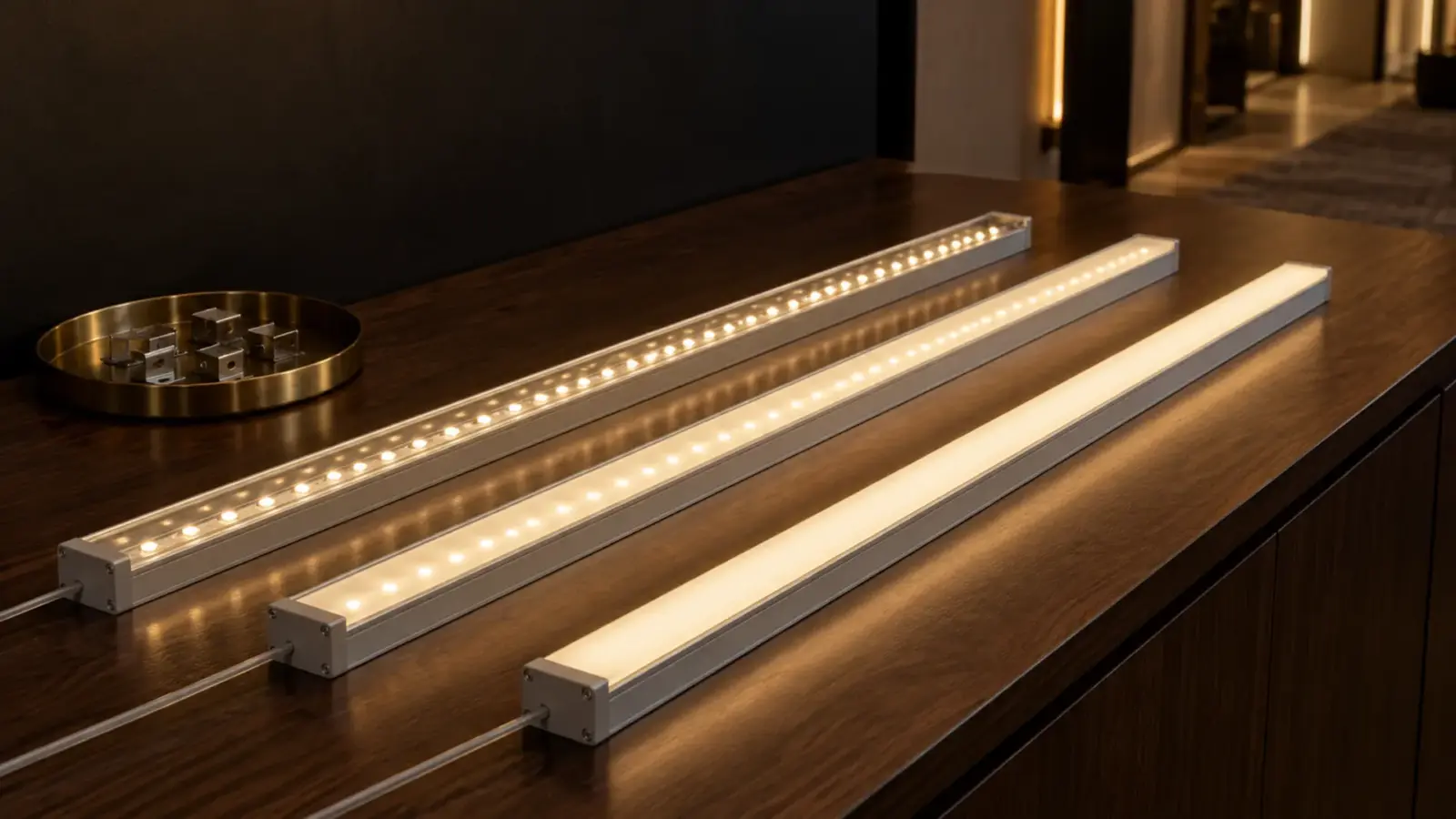
Clear, Frosted, or Opal? Pick the LED Channel Cover by Depth
Reading the output
Why are some models missing from the list?
Only rows with a published lumen figure are offered: the CSP and wall washer tables list lm/ft, and some COB and SMD rows state efficacy. For any other model, ask for the LM-79 report and use the manual mode.
How much does the diffuser take?
Roughly 10 percent for clear, 20 for frosted and up to 30 for opal, varying by material and thickness. Spec the strip for the lumens after the cover, not before.
Can I turn total lumens into lux?
Not from this page. Lux depends on how far the surface is, the beam of the strip or lens and what the cove or wall reflects. Send the drawing and the target footcandles and we run the photometrics.
Does the number change with color temperature?
Slightly. Warmer whites of the same model usually rate a little lower than cooler ones. The spec table figure is the range across the CCTs offered.
Send the target and we pick the row
A footcandle target, the section and the finish are enough. An engineer replies with the model, the lumens after the cover and the driver schedule, in writing.
- 1 reel minimum
- Drawings welcome
- US-based support