

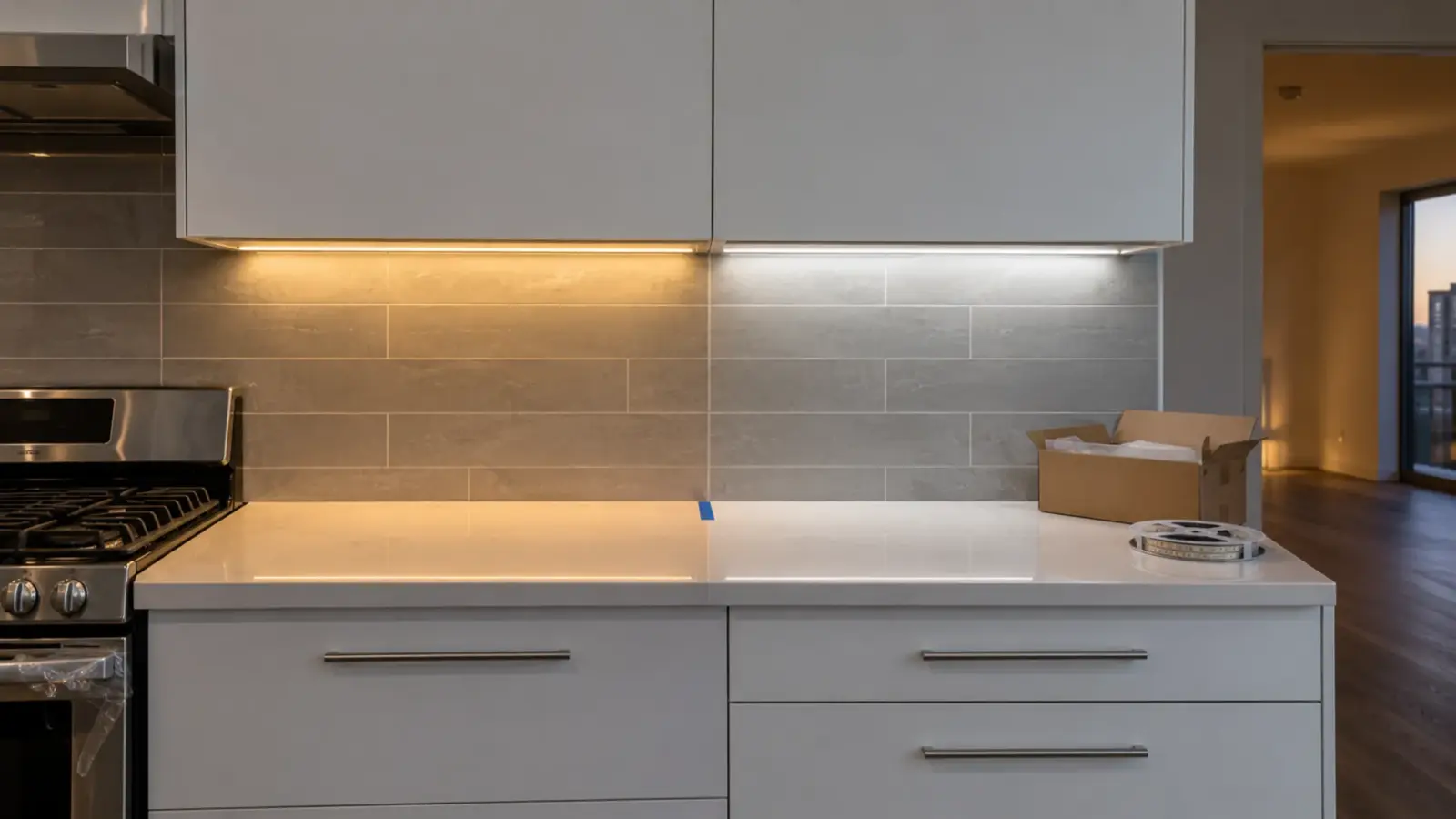
3000K vs 4000K LED Strip Is a Zone Decision, Not a Building One
3000K where people dwell, 4000K where they work: a zone schedule for a six-floor mixed-use building, the kitchen and vanity exceptions, how to order two whites.
Articles filed under this topic.
3000K where people dwell, 4000K where they work: a zone schedule for a six-floor mixed-use building, the kitchen and vanity exceptions, how to order two whites.

Why meat cases use special-spectrum lighting, what research says about freshness and discoloration, why high-CRI 3000K works, and how cold cases treat strip.
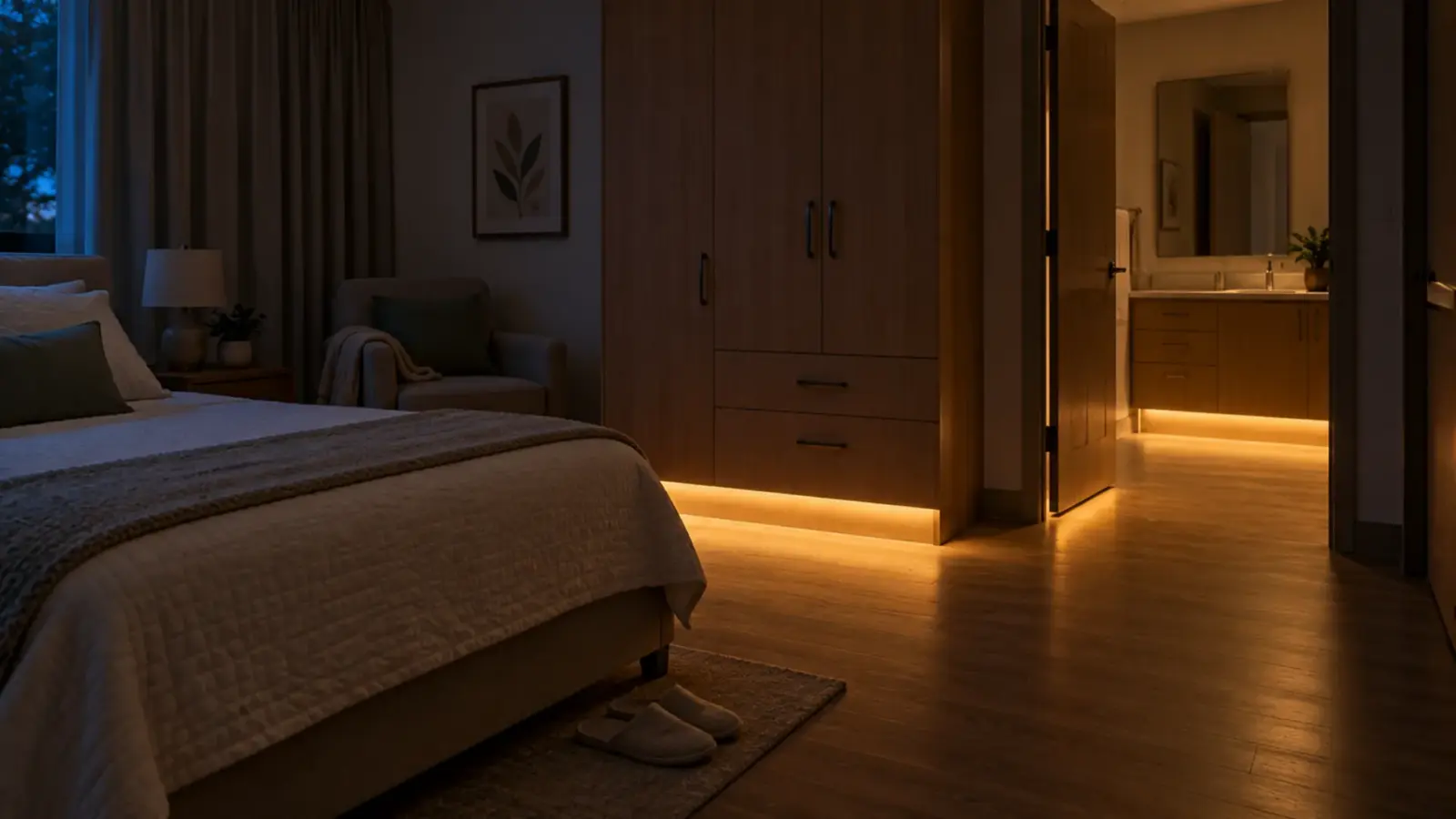
What senior living and memory care need from LED strip: night paths under 2 ft, corridors without dark spots, low glare, 3000K, CRI 80+ and staff-side controls.
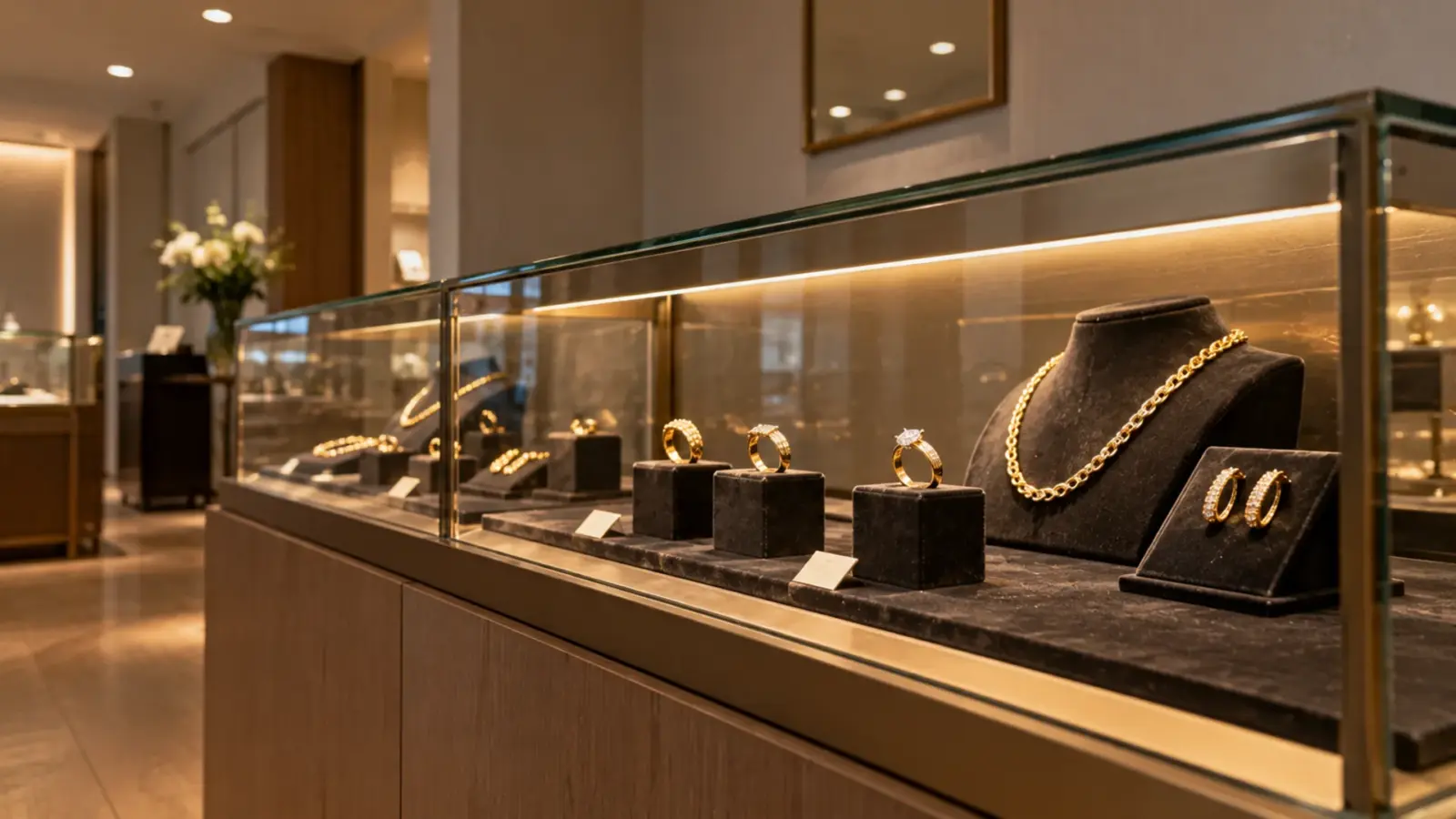
Choose LED strip for a jewelry display case: CCT by metal and stone, CRI and R9, watts per section for case heat, placement away from the glass and short cases.
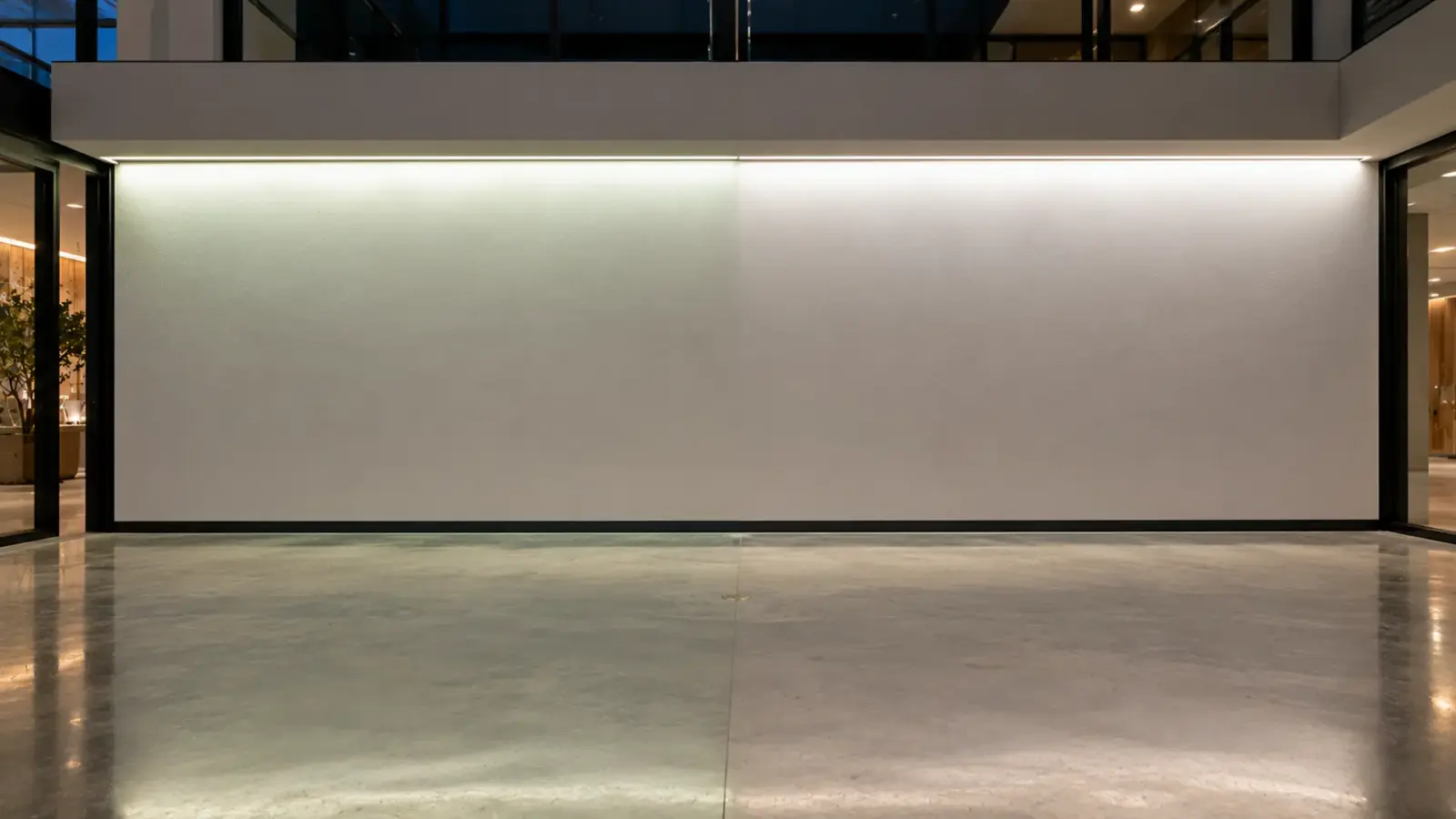
A 3000K LED strip can still look green or pink. Duv measures that offset from natural white. Where tint comes from on a job and how to specify and fix it.
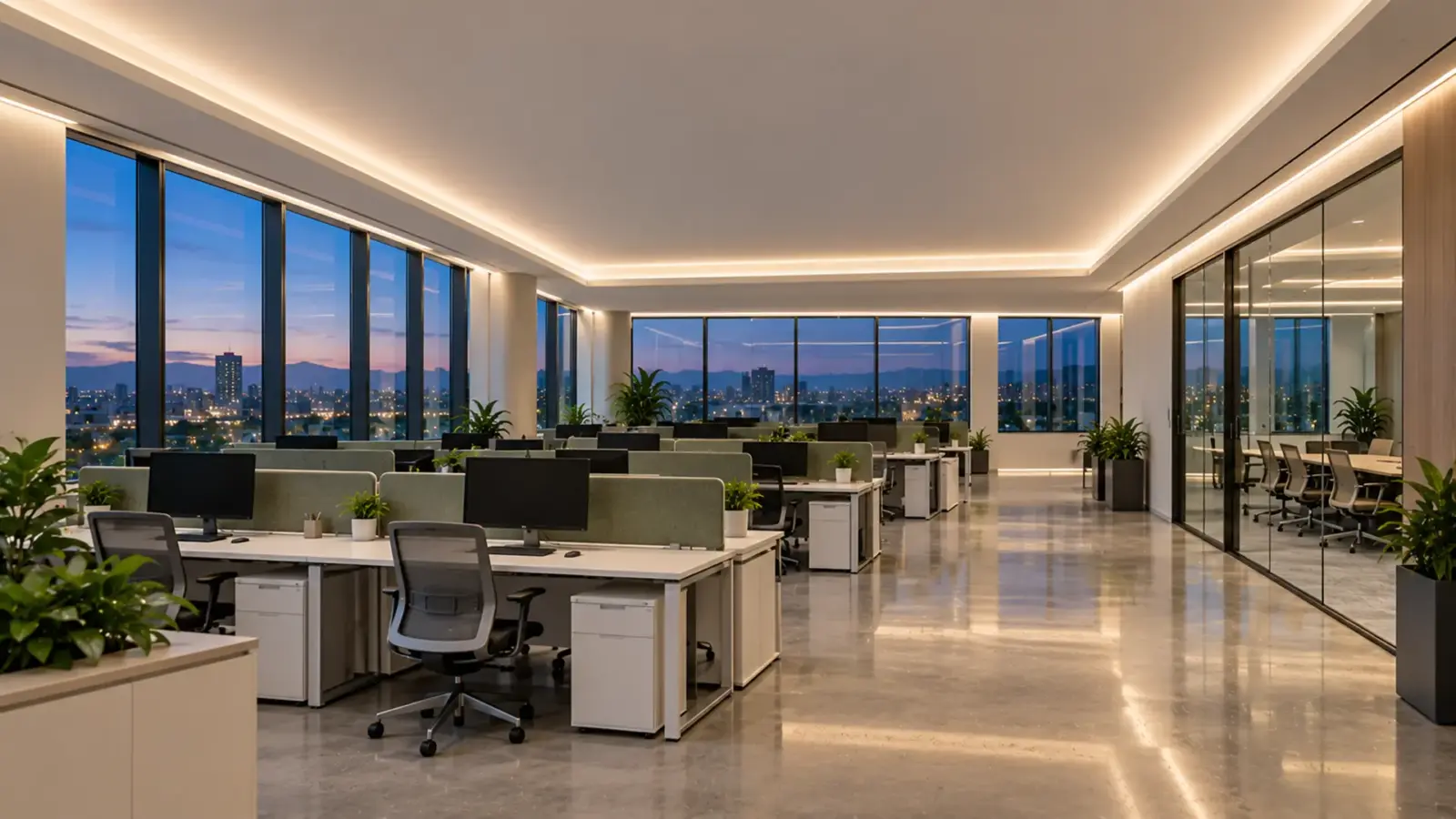
4000K for open offices, waiting rooms and most retail; 5000K for exam rooms, benches, showrooms and garages. Space tables, CRI at 5000K and tunable white.
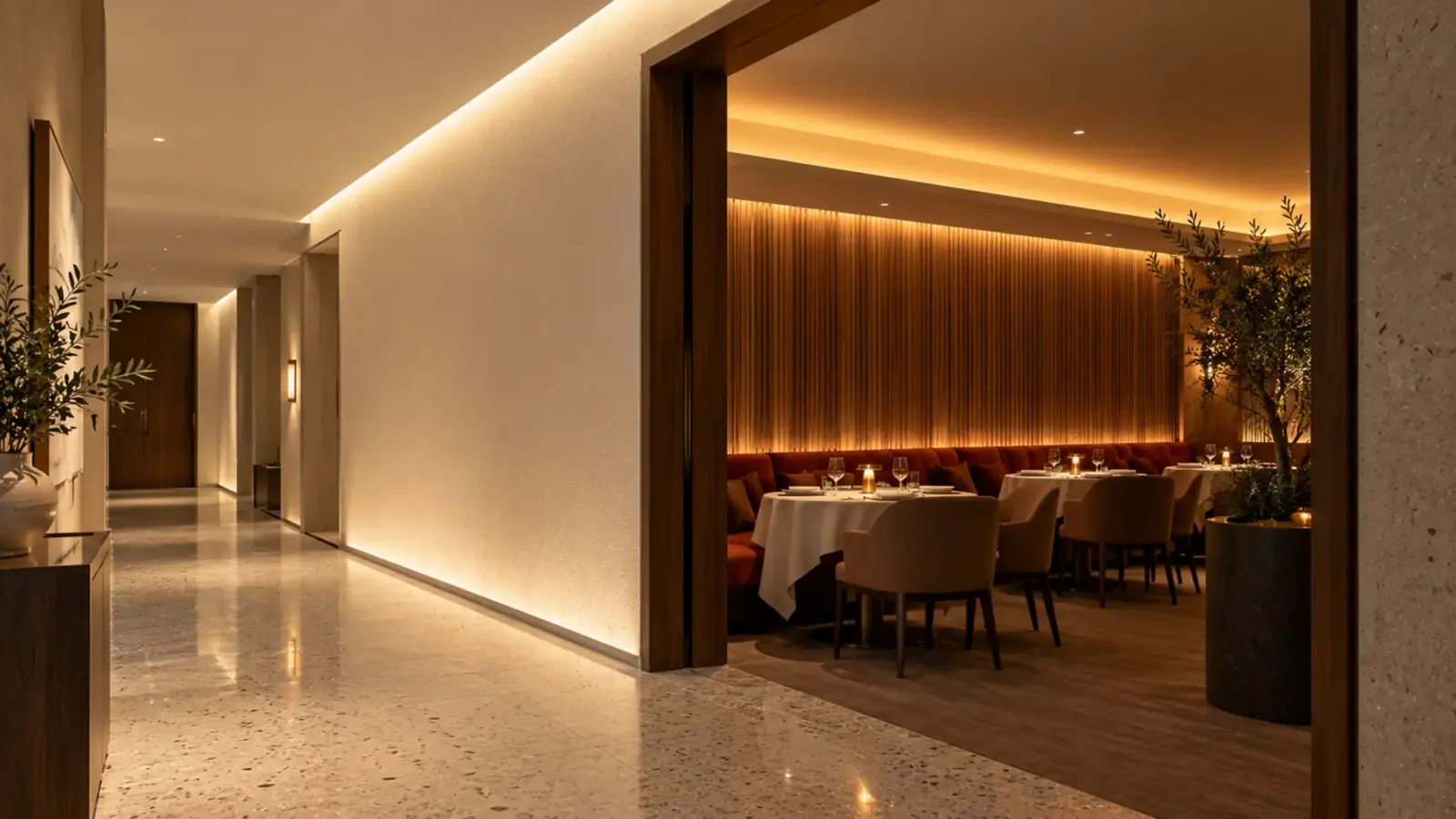
2700K for guest rooms, dining and bedrooms; 3000K for lobbies, corridors, vanities and kitchens. Space-by-space tables, transition rules and dim-to-warm.
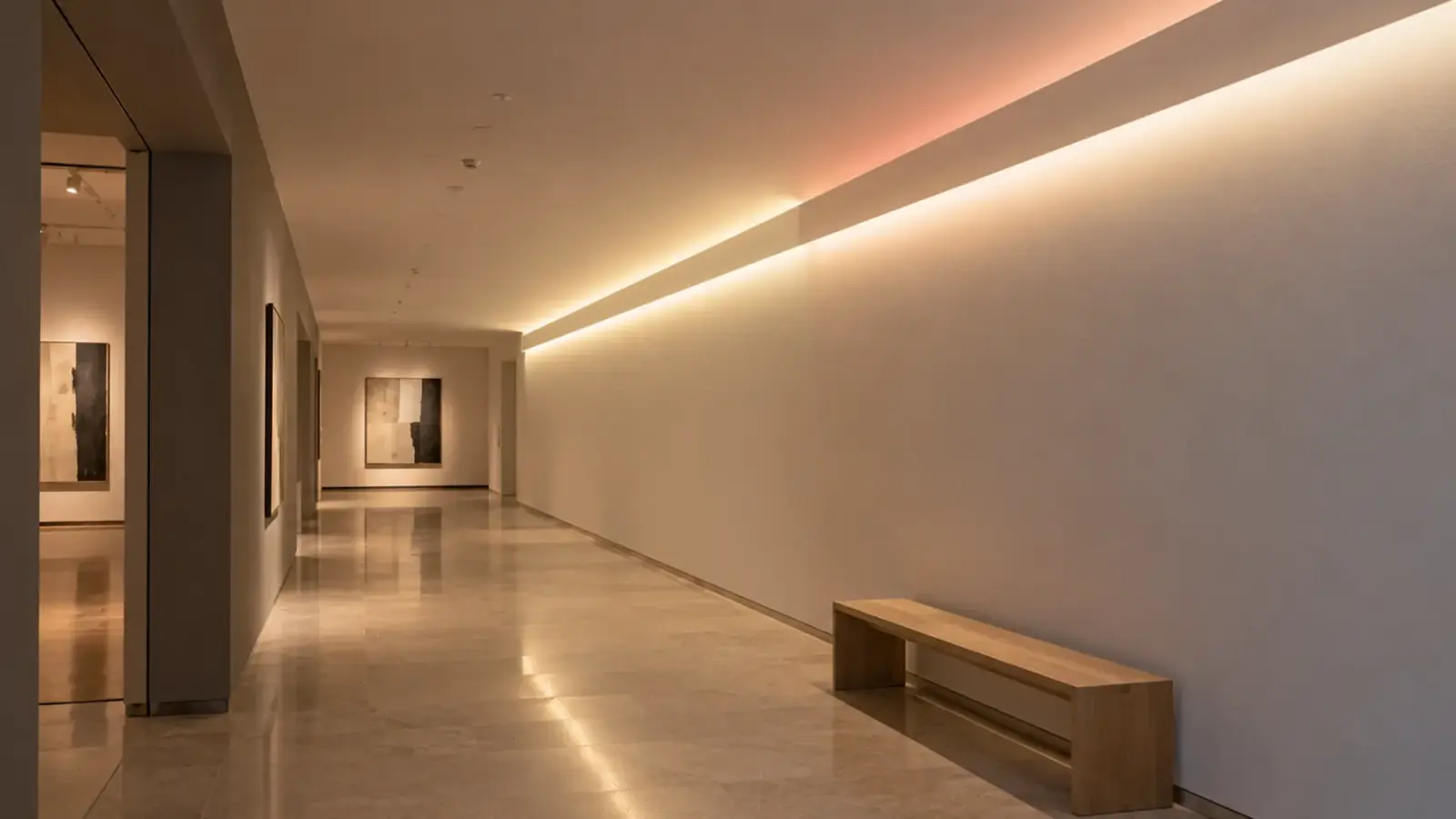
Why a second reel of LED strip looks a shade off: bins, production lots, heat and Duv. What SDCM steps mean on a job and three lines for the purchase order.
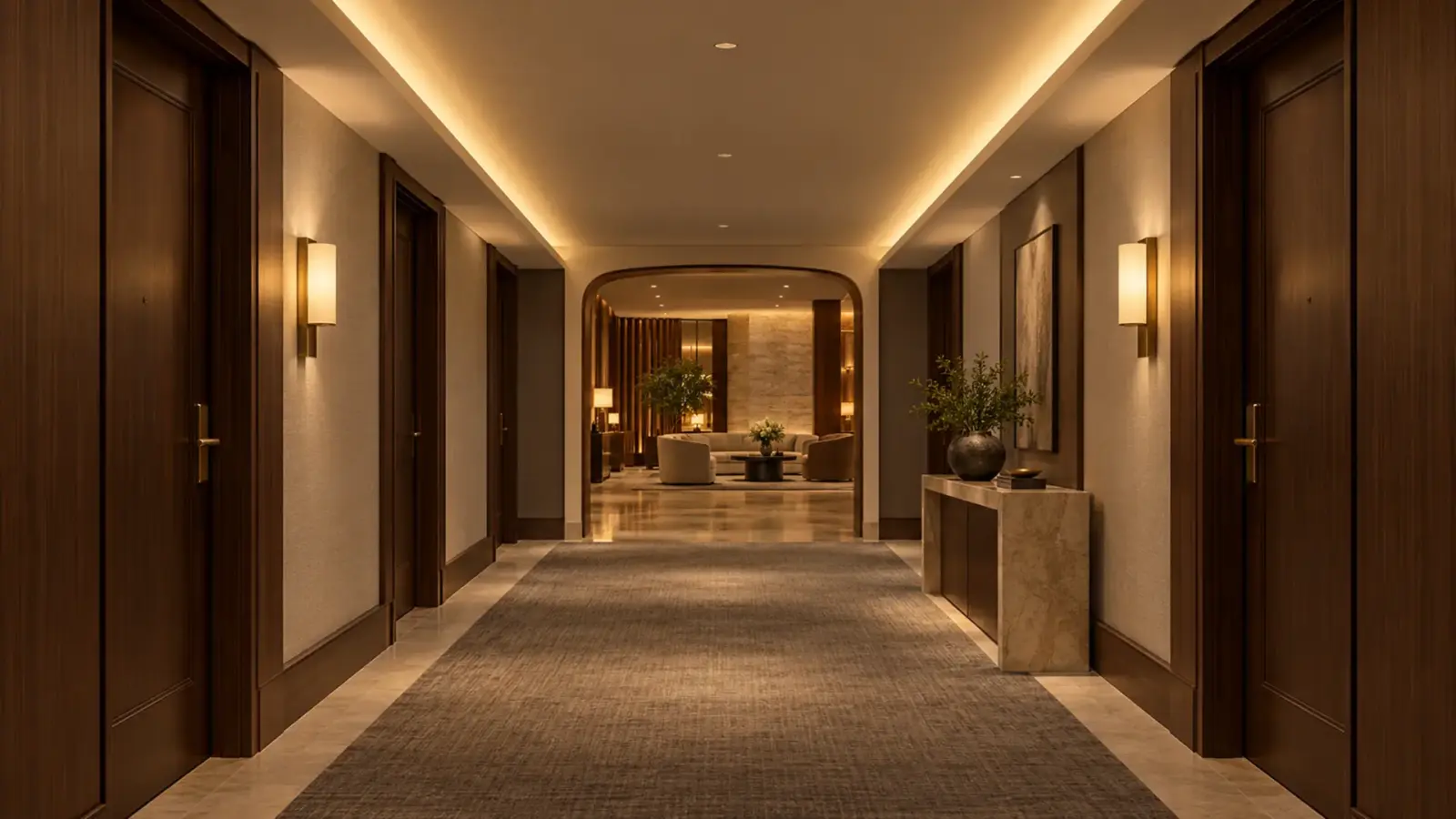
Choose LED strip color temperature in three gates: what the room is for, what is in it, and what sits next to the strip. Five-point table and zone rules.
Send your run lengths, color temperature, and CRI target. You will get product options, documentation, and a real lead time, with clear pricing.