

LED strip selector
Five questions decide most of a strip spec: where it goes, whether the line is seen, what color it needs, whether it gets wet, and what dims it. Answer them and get the category, example rows and the notes an engineer would add.
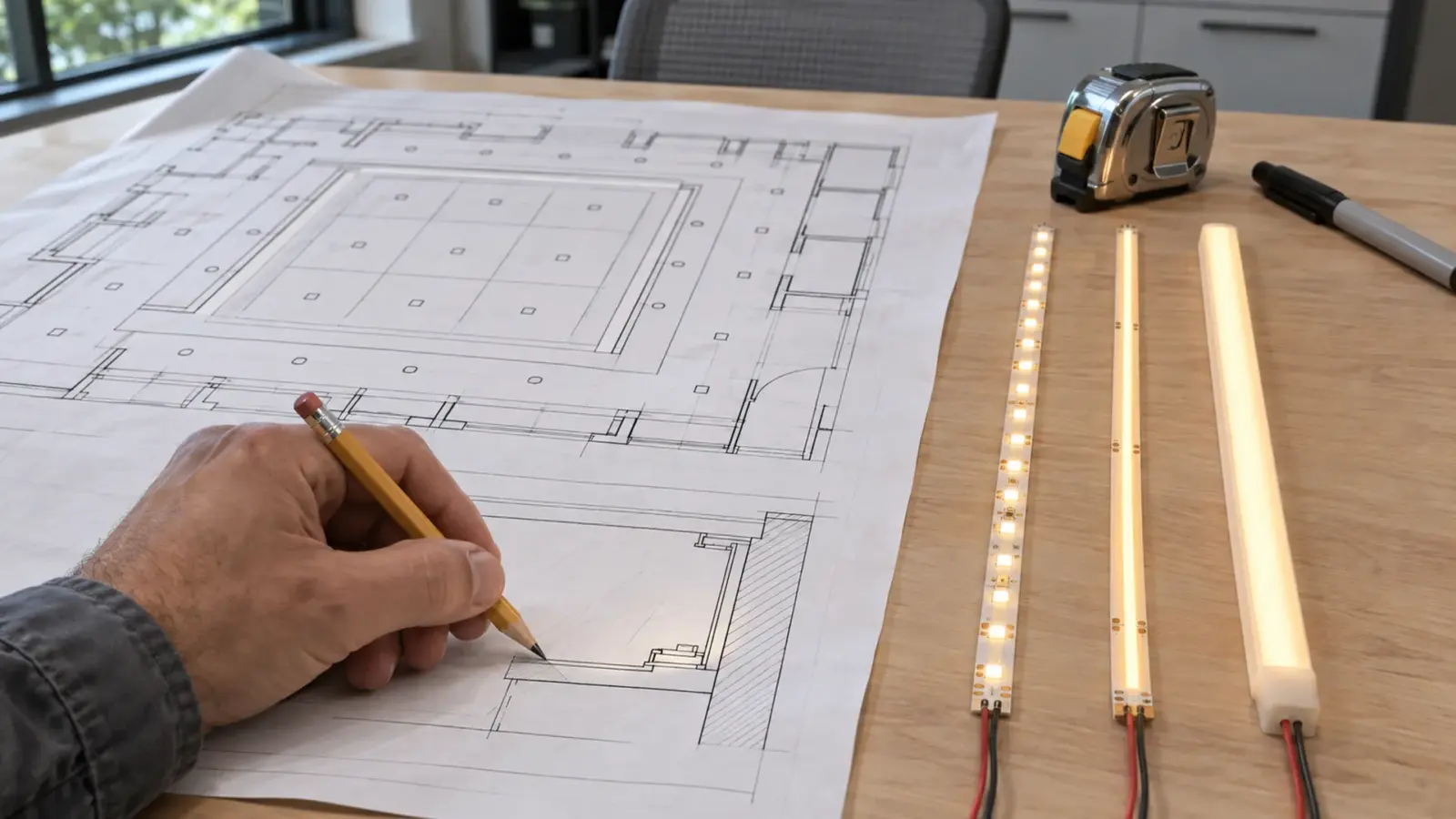
Five questions to a starting spec
A starting point by job, taken from our application guides. The final pick is confirmed on your section and a mockup.

Types of LED strip lights at a glance
Eleven strip families, what the lit line looks like and where each one goes. The selector above narrows it to one; the category page has every model.
| Type | What you see | Voltage | Wet rating | Pick it for |
|---|---|---|---|---|
 SMD LED strip |
Separate LED points; density and the cover decide how smooth the line reads | 12V, 24V, 48V | IP20; IP62–IP68 options | Hidden coves, backlit panels, long high-efficacy runs |
 COB LED strip |
One continuous dot-free line | 12V, 24V, 48V | IP20 to IP68 | Visible lines, under-cabinet, millwork, glossy counters |
 CSP LED strip |
Close-packed chip-scale LEDs with no gold wires or solder joints | 12V, 24V | IP20 to IP68 | Retail display, jewelry and food cases |
 SCOB LED strip |
Dot-free like COB, under one white silicone line | 12V, 24V, 48V | IP20; IP62–IP68 options | Dot-free runs where efficacy counts, up to 142 lm/W |
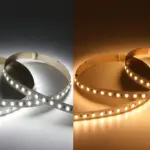 Tunable white LED strip |
White that shifts from 2700K to 6500K, or dims warm to 1800K | 12V, 24V | IP20; IP62–IP68 options | Healthcare, offices and hotels on a schedule |
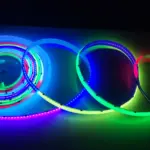 RGB and RGBW LED strip |
Mixed color; RGBW adds a separate white channel | 5V, 12V, 24V | IP20; IP62–IP68 options | Accent color in hospitality, retail and events |
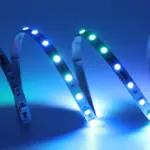 Addressable LED strip |
Each pixel set on its own: chases, gradients, video | 12V, 24V | IP20; IP62–IP68 options | Signage, media walls, SPI or DMX512 show control |
 Outdoor LED strip |
COB or SMD strip sealed by a coating, a sleeve or a full silicone tube | 12V, 24V | IP65, IP67, IP68 | Facades, soffits, wet and submerged locations |
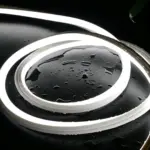 LED neon flex |
A solid, diffused silicone line that bends top, side or 3D | 24V, 48V | IP65 to IP68 | Signage, outlines and curved architectural lines |
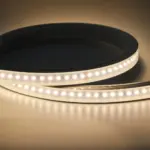 120V LED strip |
Plugs into 120V AC with no driver | 120V AC | IP65 silicone extrusion | Runs up to 98 ft (30 m) on standard wall dimmers |
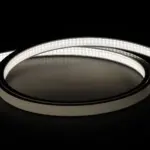 LED wall washer |
A lensed beam from 10° to 60° thrown up or across a wall | 24V, 36V | IP20 to IP67 | Wall grazing and washing, tall facades |
Where the picks come from
-
01
Application guides
Each scene starts from the configuration table on our application page or the guide written for that job: the category, the rows we usually supply, the channel and the driver notes.
-
02
Modifiers
Color overrides the category (tunable, RGBW, pixel), the location sets the IP rating and pushes dry rows to outdoor rows, the control system sets the driver input, and a seen line moves the pick to a dot-free row.
-
03
What it leaves out
Lumens on the surface, the exact model and CCT, listing requirements for the location and the price. Those come from the section, a mockup and the quote.
The guides behind the picks
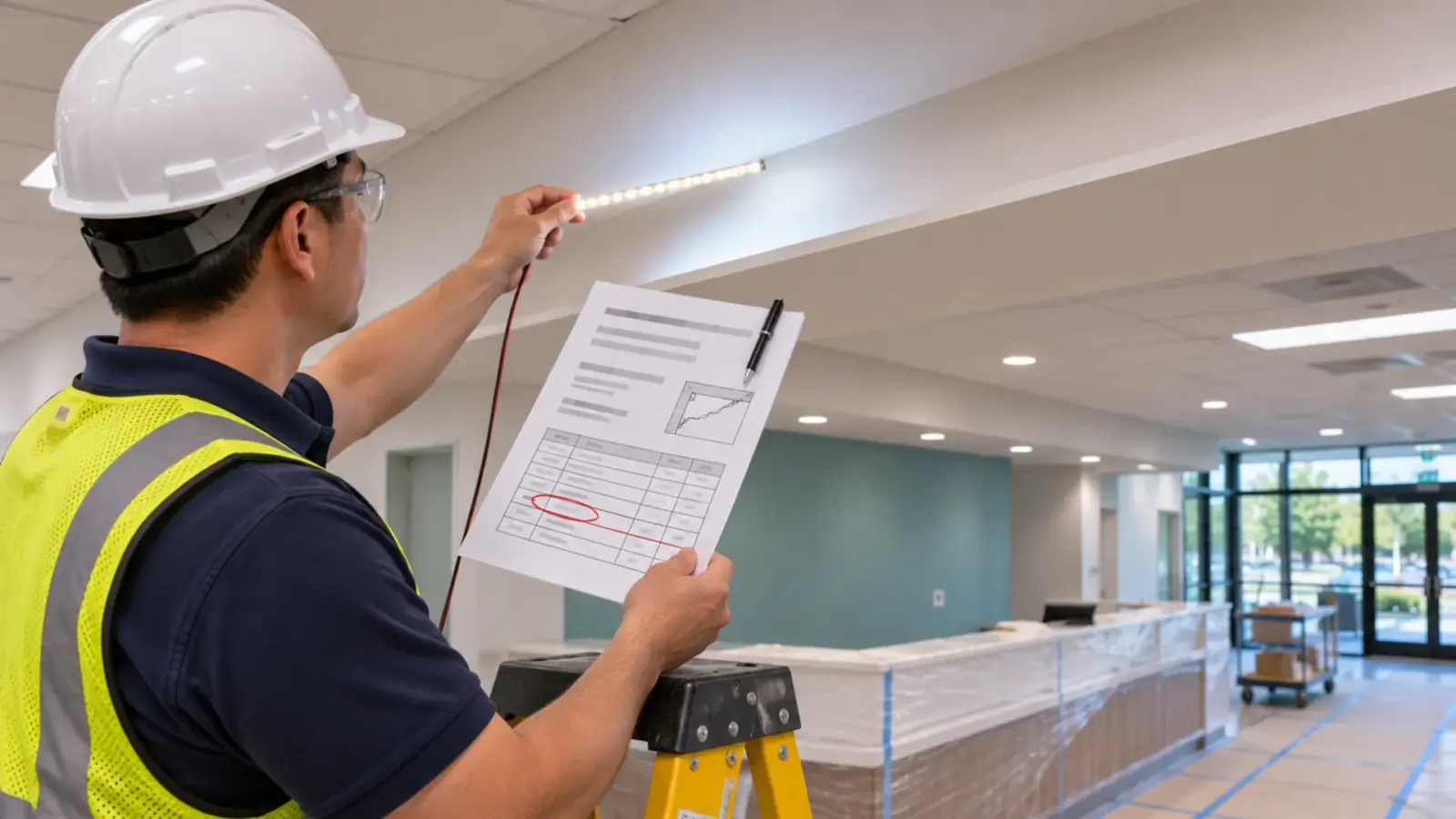
Six Questions a Commercial LED Strip Spec Sheet Must Answer
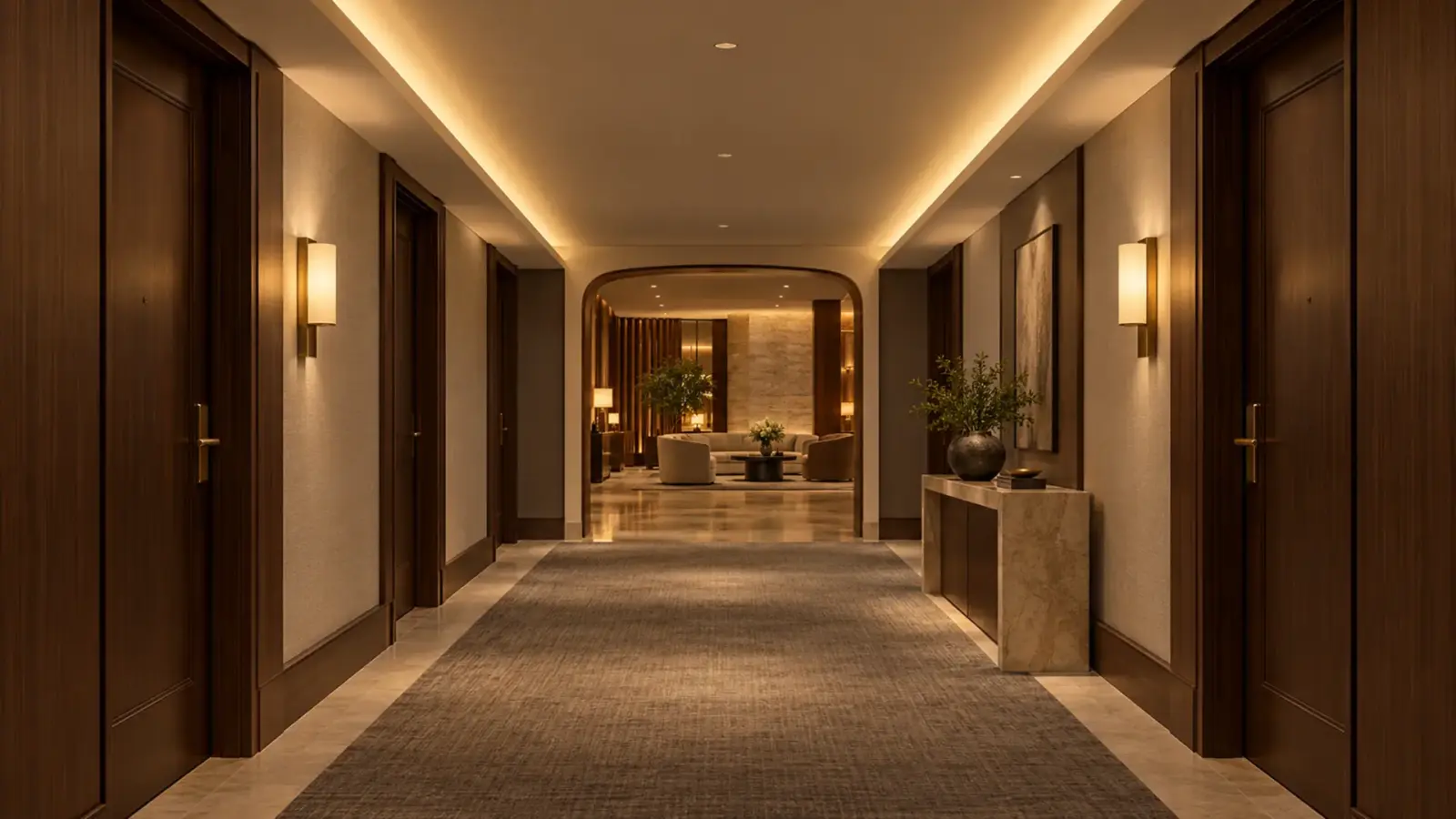
Pick LED Strip Color Temperature by Sightline, Not by Room
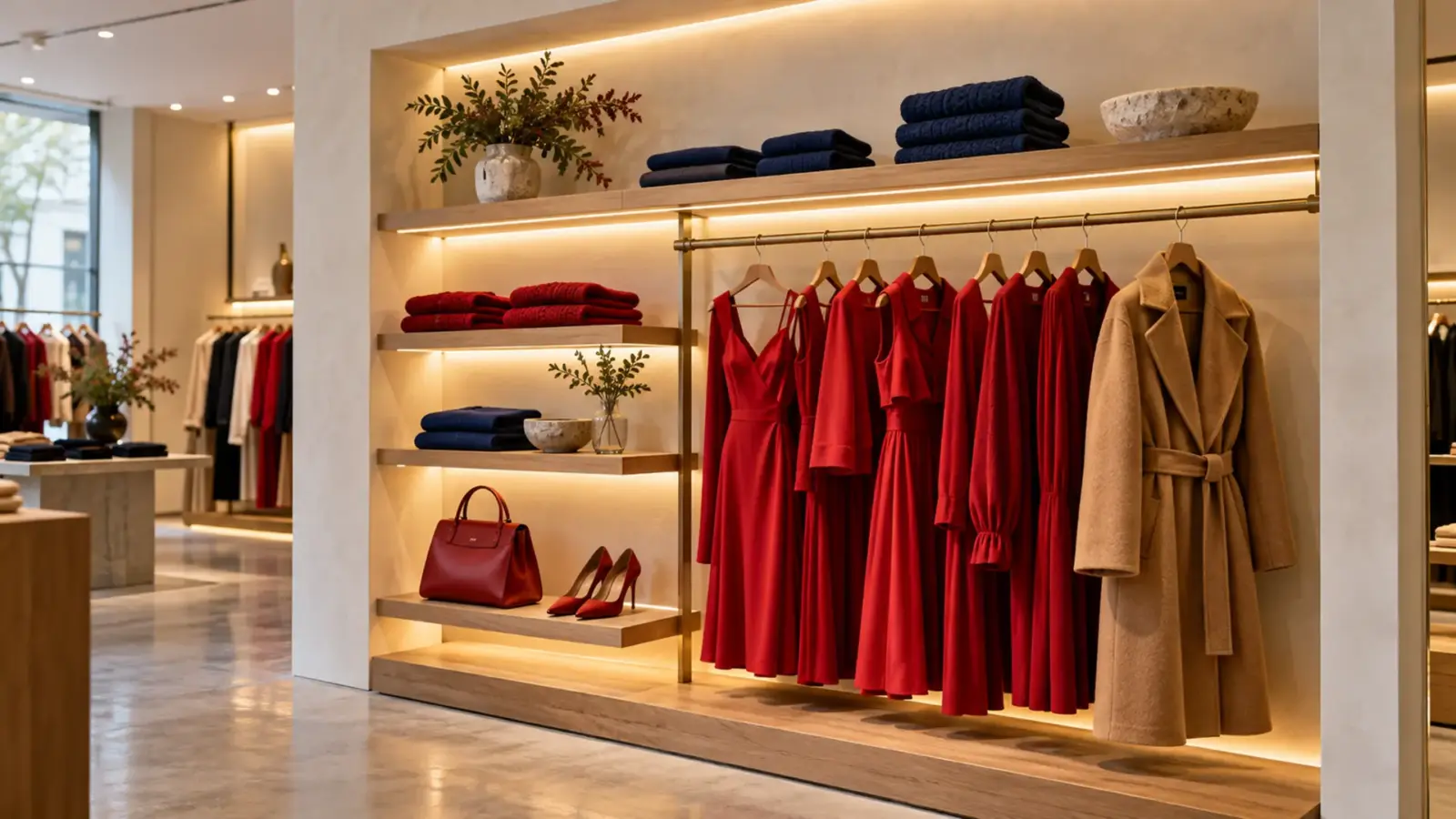
CRI 90, 95 or 98? Pick High-CRI LED Strip by What It Lights
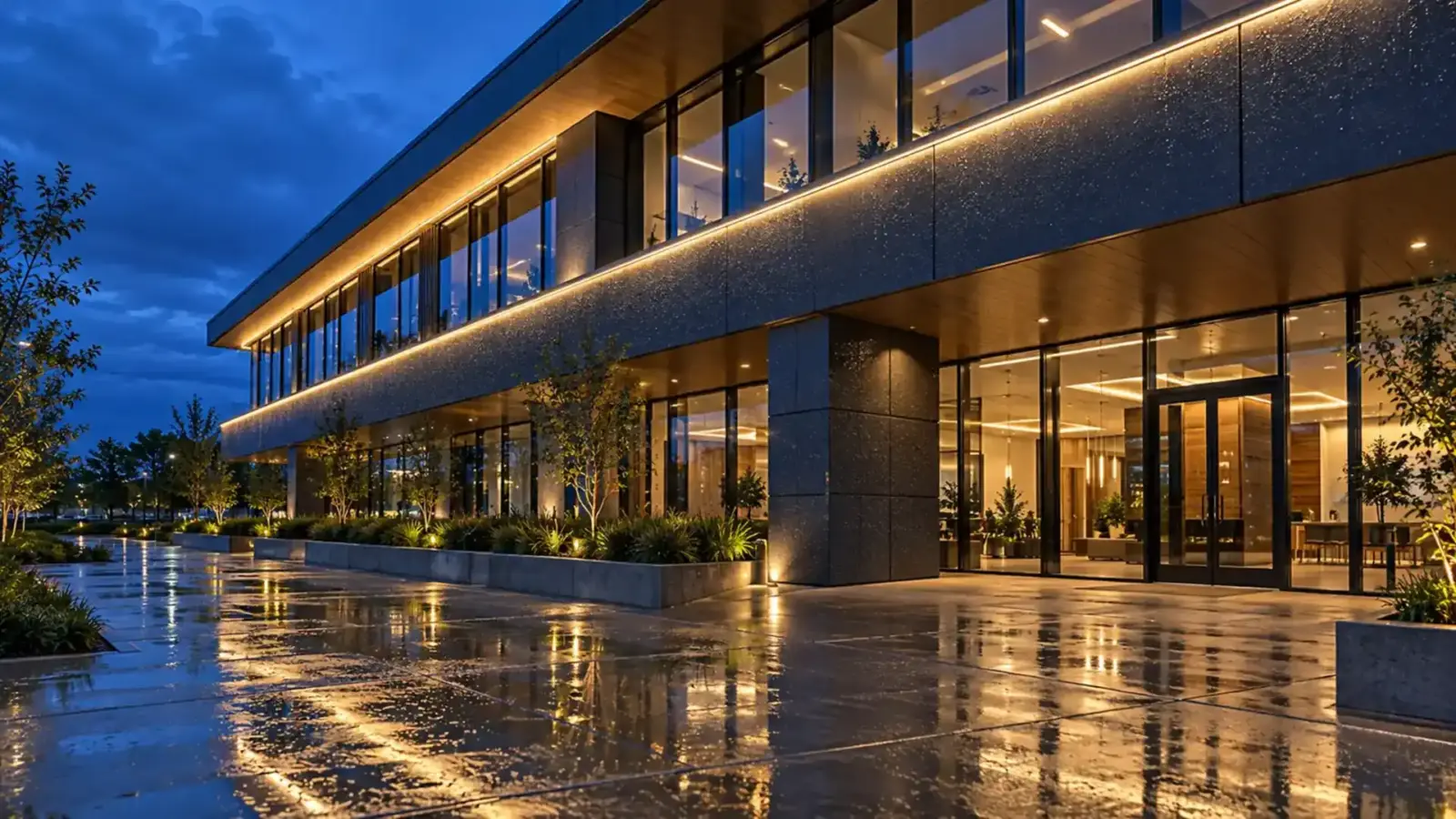
Does IP68 Mean an LED Strip Is Rated for a Wet Location?
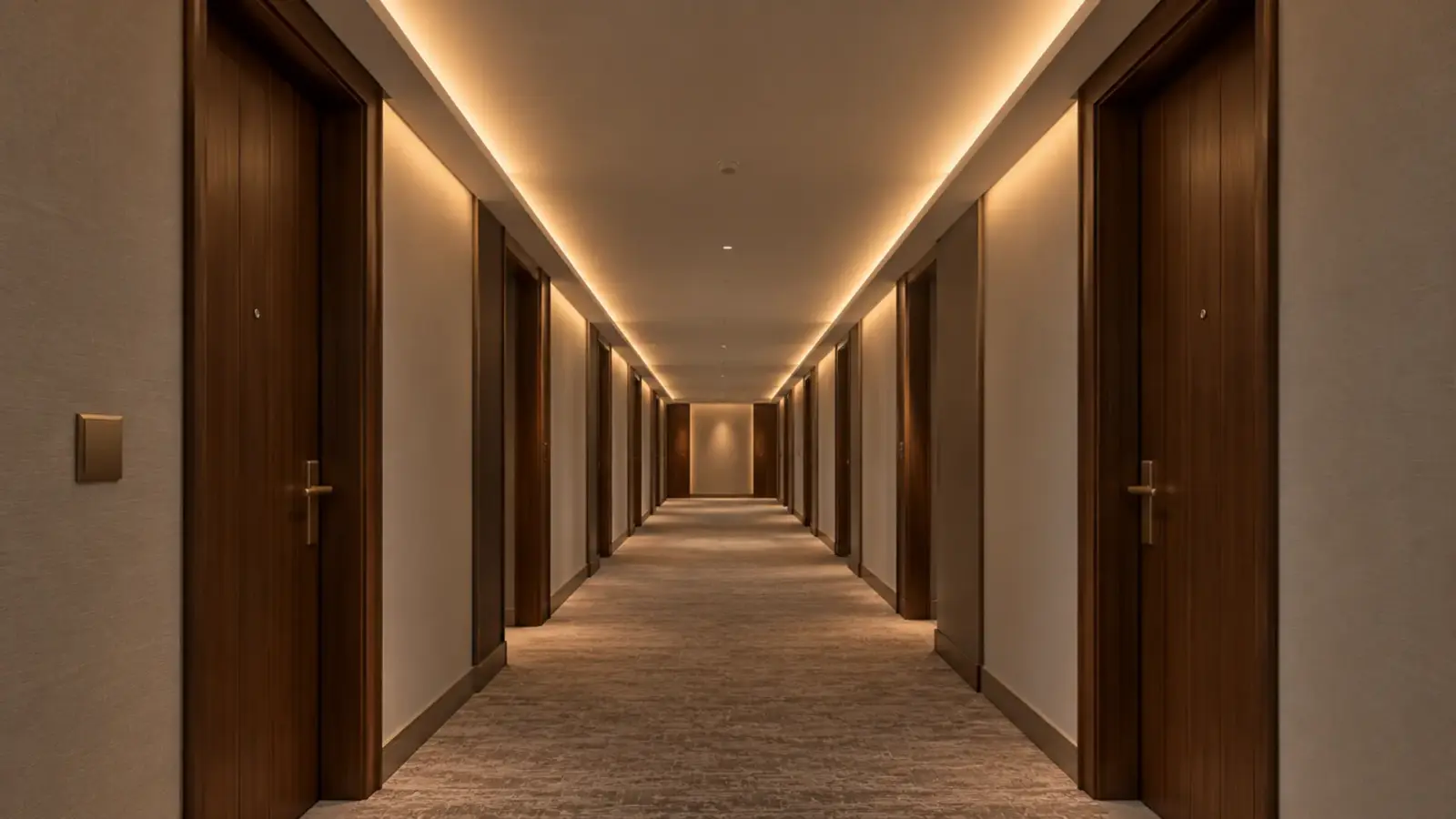
How to Choose Between 0-10V, TRIAC, and DALI Dimming
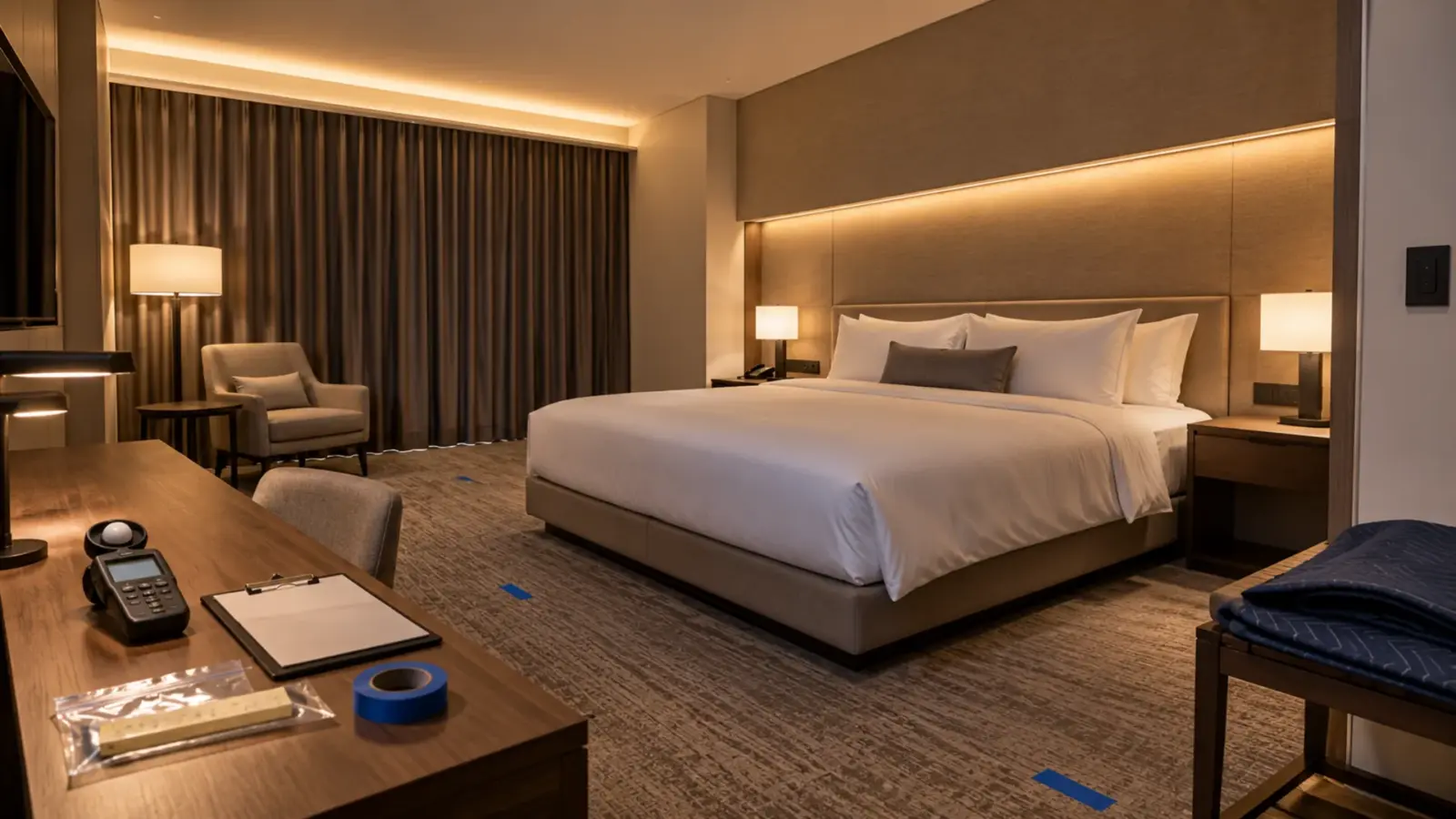
LED Lighting Mockup Approval: What to Check Before You Sign
Reading the pick
Why does the selector move me from SMD to COB when the line is seen?
A seen line shows dots unless the strip is dot-free or the cover sits far enough away. COB has a continuous phosphor layer, so it reads as a line in any channel; SMD needs depth or an opal cover.
Is the example row the model I should order?
It is the row we usually start from for that job. The final model depends on the section, the lumens you need after the cover and what the mockup shows, so treat it as a starting point for the quote.
What if my job is not in the list?
Pick the nearest scene by geometry: a slot is a cove, a counter is under-cabinet, a soffit is a facade. Then send the drawing and we adjust.
Does the selector check code?
No. It notes where a listing or a code item usually applies, such as UL 924 on an egress stair, NEC 680 near water or the energy-code controls in a parking garage, but the authority having jurisdiction decides. Our code guides cover the details.
COB, SMD or CSP: which type of LED strip do I need?
Start with whether the lit line is seen. A seen line or a glossy surface below it calls for dot-free COB or SCOB. A hidden cove or a backlit panel works with SMD, which gives more lumens per watt. Retail cases where color sells the goods suit CSP. The table above compares all eleven types.
Is my neon flex a top bend, side bend or 3D bend?
Read the drawing. A line that curves up and down along its lit face is a top bend; left and right is a side bend; both directions in one run is a 3D bend. A top or side profile cannot be forced the other way.
Which CRI does the selector assume, and when do I need 95 or 98?
Most picks assume Ra≥90, which covers offices, corridors and most coves. Step up to Ra≥95 where color is the product, such as apparel, cosmetics and food, and to Ra≥97–98 for museums, galleries and color matching. Each step up gives back some lumens per watt.
Send the section and we confirm the rows
A section, the finish and the control system are enough. An engineer replies with the model, the channel, the driver schedule and the lead time, in writing.
- 1 reel minimum
- Drawings welcome
- US-based support