


Top Bend, Side Bend, or 3D Bend? Match the Neon Flex to the Curve
Pick LED neon flex in order: bend direction from the drawing, size for the tightest curve, model for the run length, rating for the site. Tables by SKU.
Specification, power, installation, troubleshooting, code and cost guides for contractors, distributors and lighting designers who already know LED.
Pick LED neon flex in order: bend direction from the drawing, size for the tightest curve, model for the run length, rating for the site. Tables by SKU.
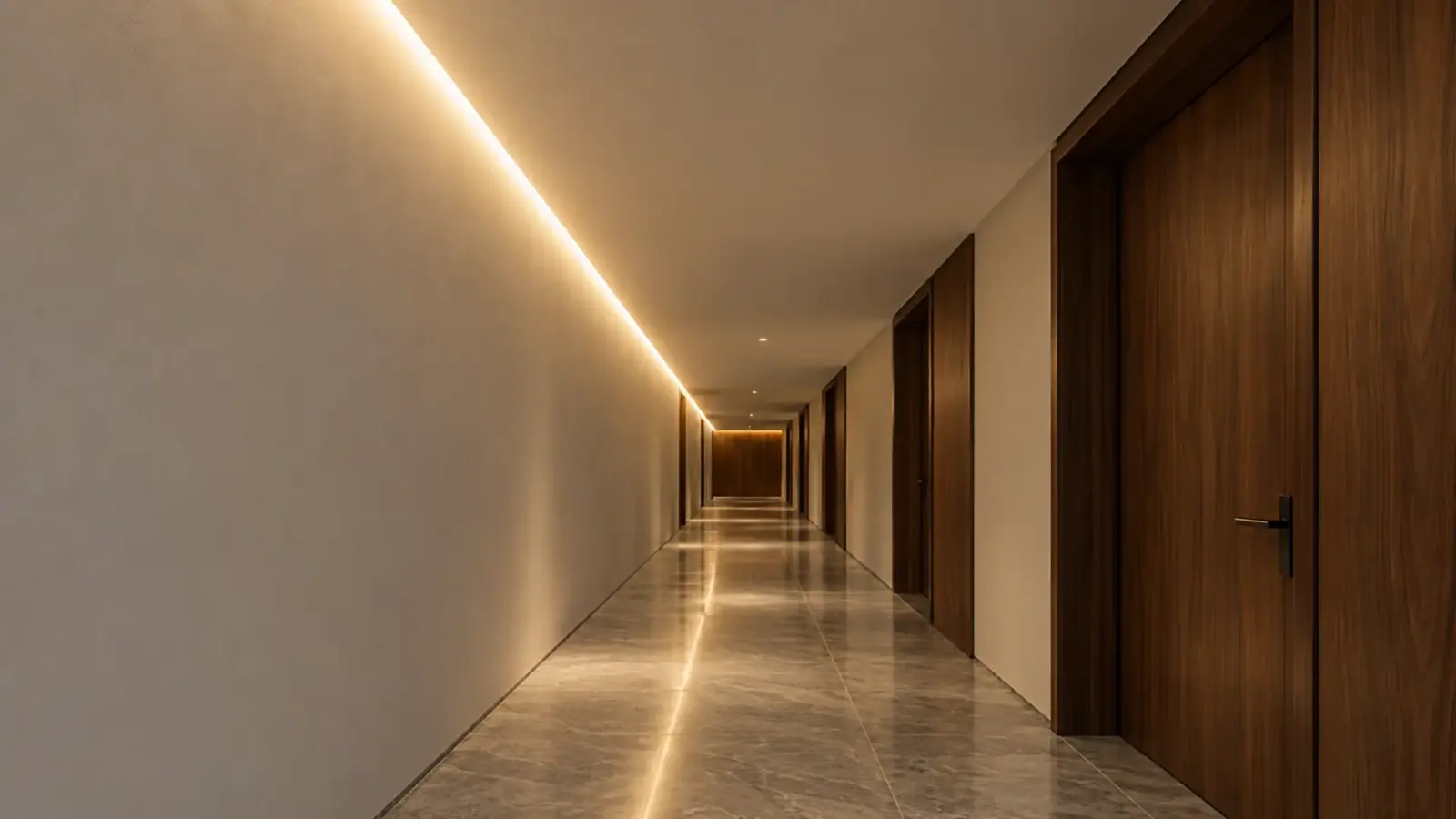
Choose an LED channel in order: substrate, strip width, depth. Eight profiles with max strip widths, optical depth rules and install order for contractors.
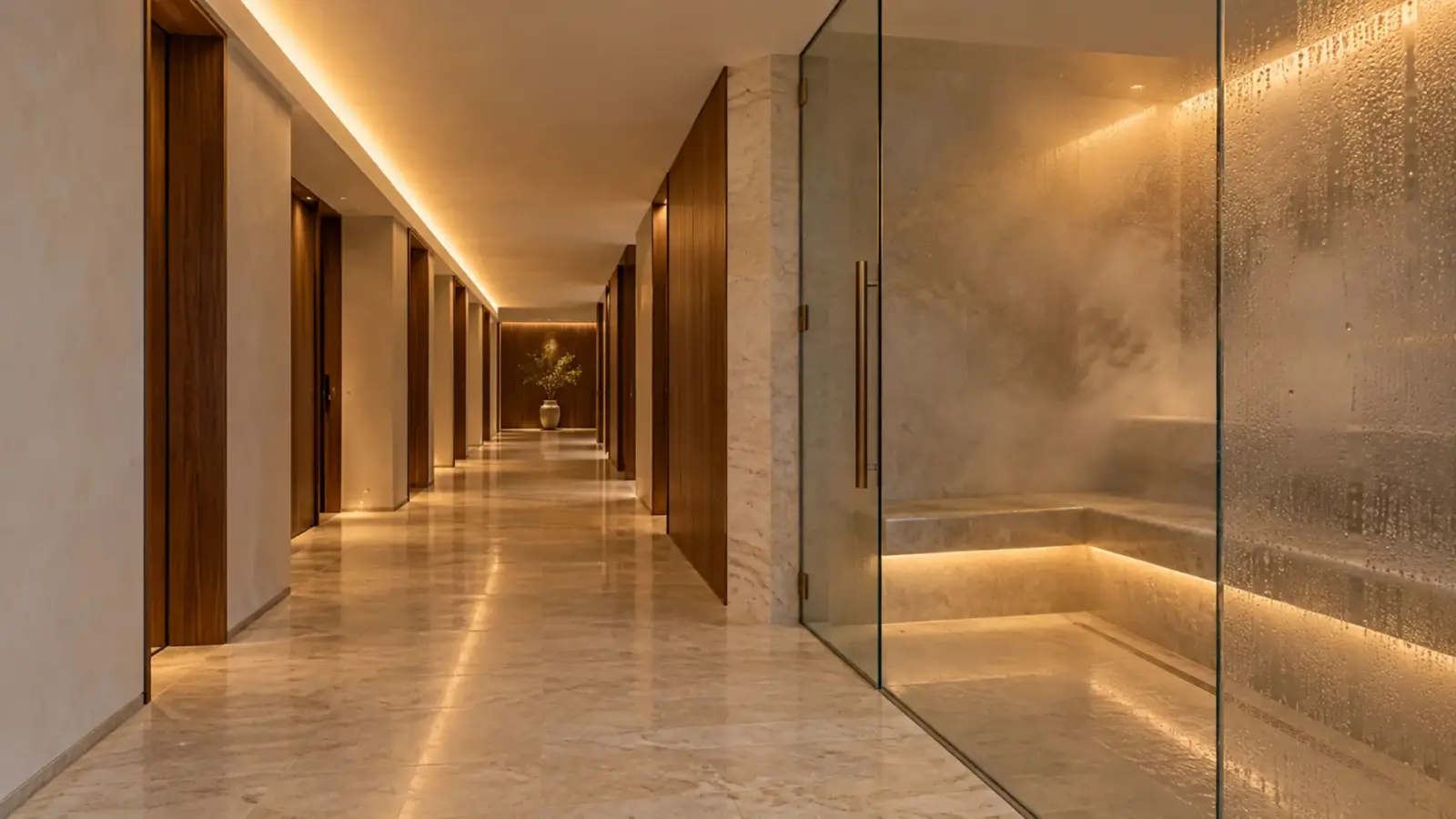
CSP vs COB LED strip: where dots show, what the CSP type tests cover, and why no spec compares failure rates. Cut lengths, runs and CRI by model, then pick.
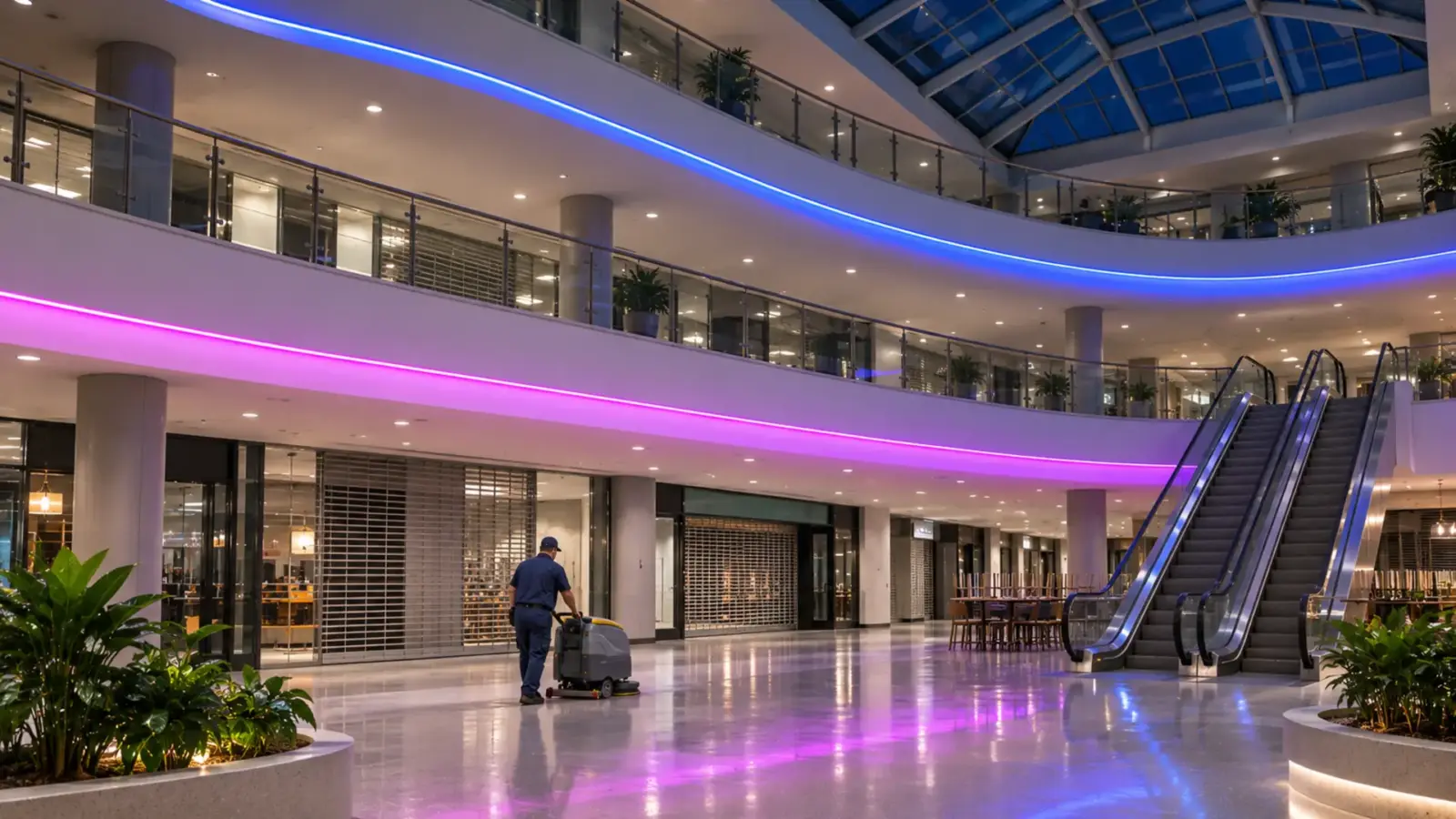
SPI strip wins when the controller sits near the first pixel; DMX wins on distance and console control. Compare wiring, data limits and failure modes.

Pick CRI 90, 95 or 98 LED strip by what it lights. Check R9 and TM-30, weigh the efficacy cost with real models, and settle the tier on a sample board.

Dim-to-warm LED strip shifts from 3000K toward 1800K as it dims on one dimmer. See when it beats tunable white and which controls and downlights it pairs with.

RGB mixes a tinted white, RGBW adds one Ra≥90 white, RGB+CCT tunes 2700–6500K. Choose by hours of white use, then match controller channels, pins and feeds.

IP68 is a lab test, not a wet location rating. See what IP65, IP67 and IP68 test, what the inspector checks, and how to spec connectors, drivers and cuts.
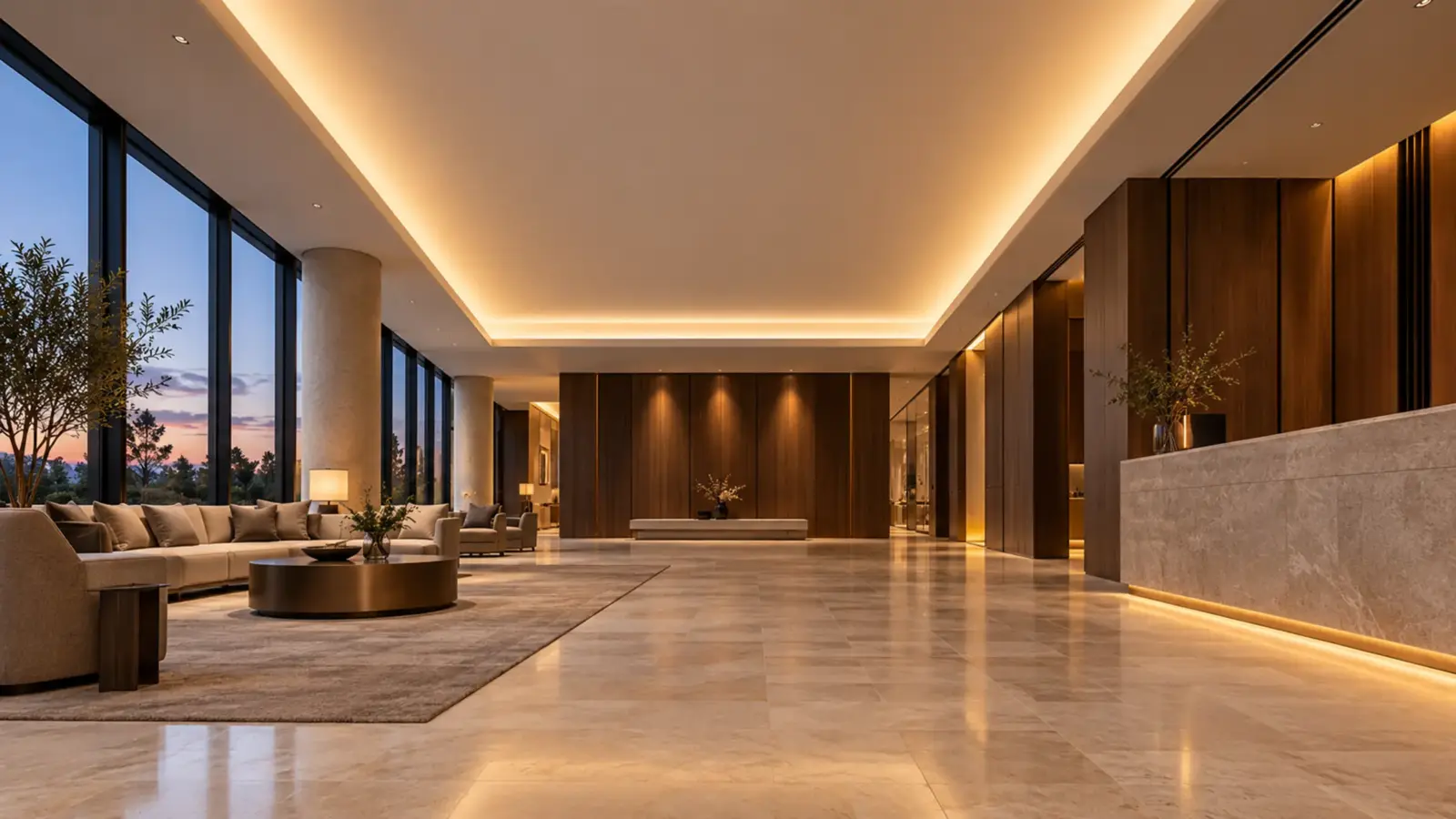
Spec COB where anyone can see the strip or its reflection, SMD where the cove hides it. Compare efficacy, CRI and run length with real models, plus other uses.
Send your run lengths, color temperature, and CRI target. You will get product options, documentation, and a real lead time, with clear pricing.